Southeast Turnout: 57 Million Votes Cast Before Polls Open
Republican Chairman Joe Gruters and Democratic Chair Suzan DelBene weigh the stakes of a record early vote across key Southern states.
By Jason Cooper ·
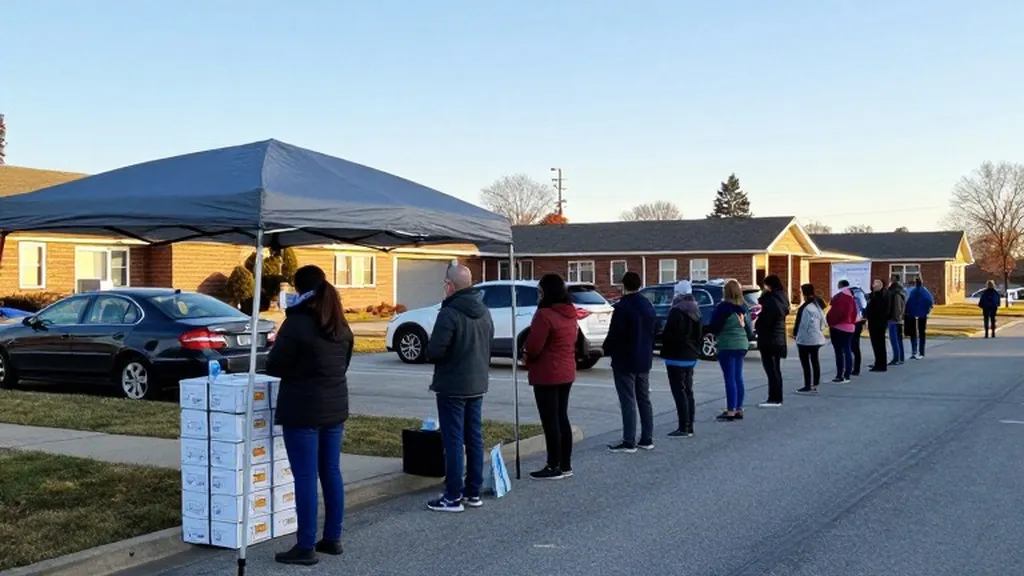
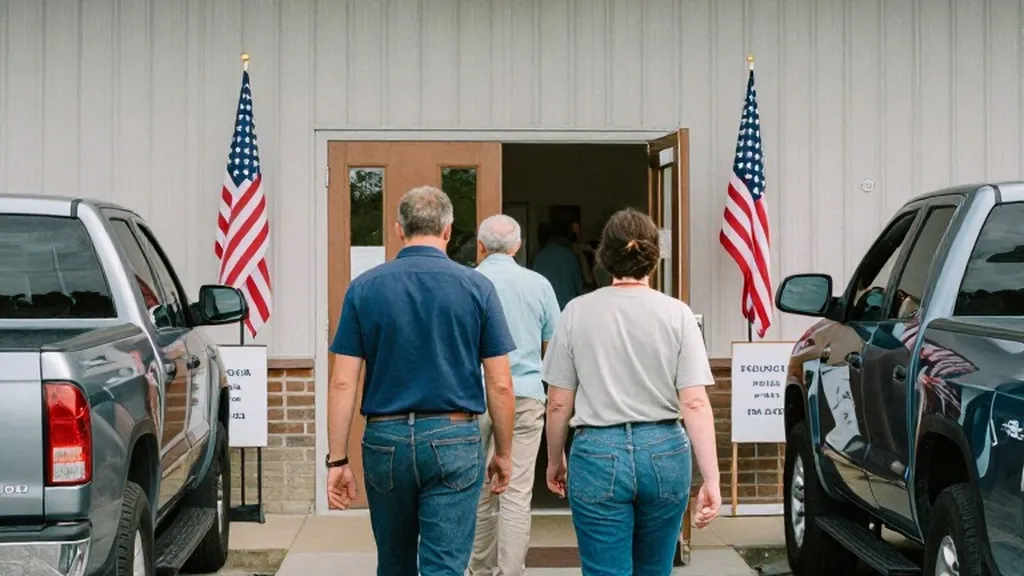
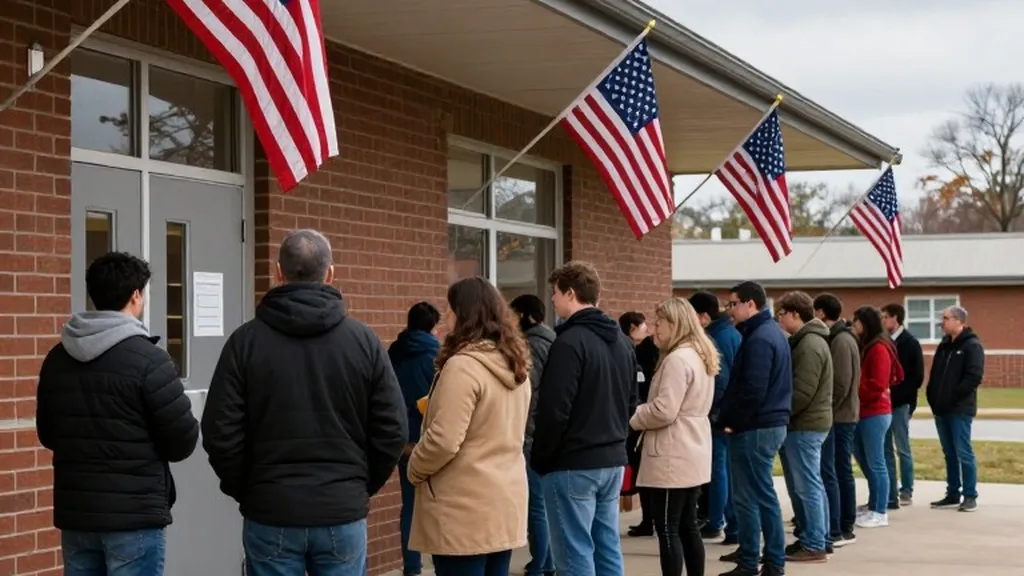
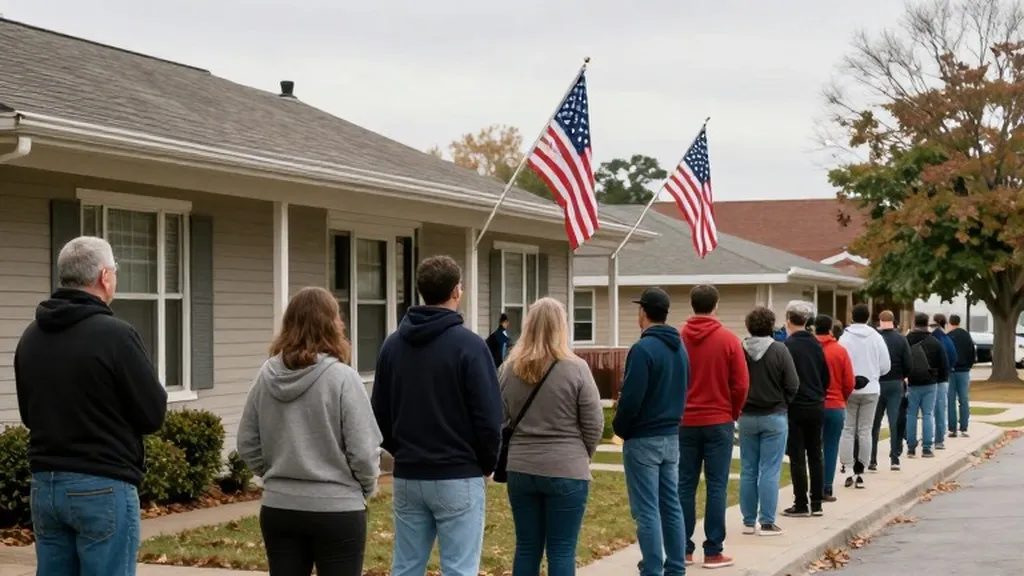
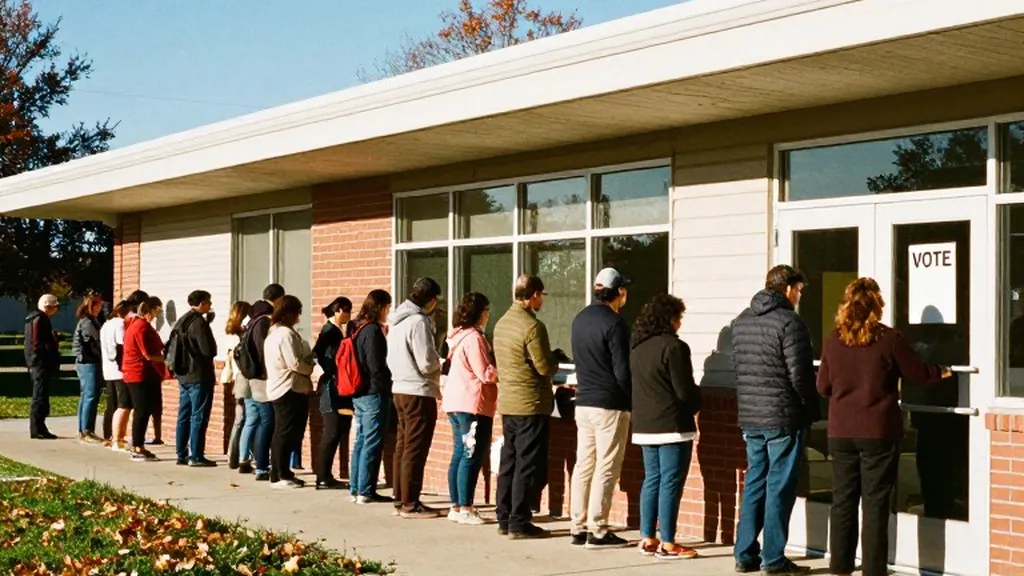
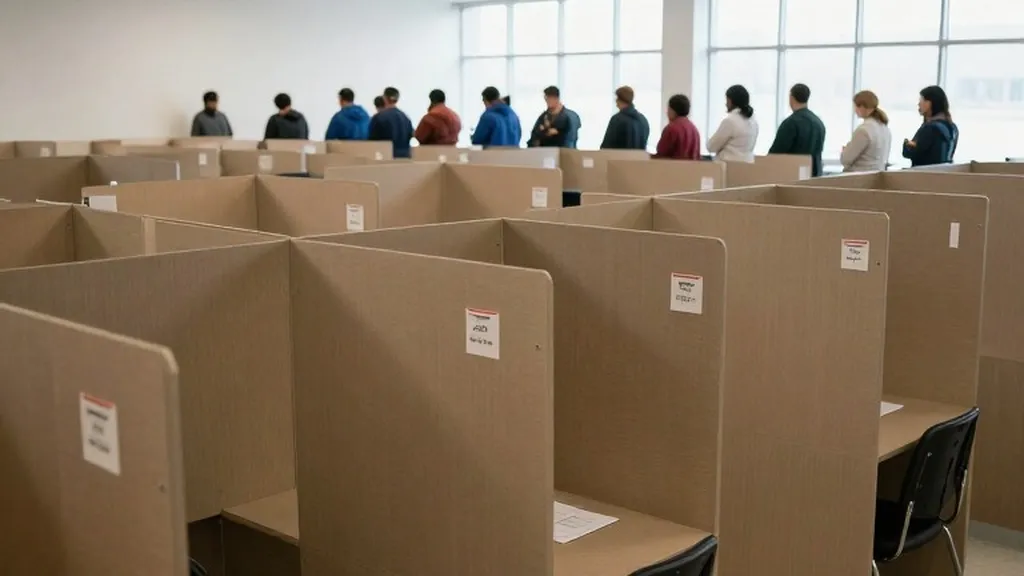
Election Day has arrived in the Southeast, with polling stations opening across seven key states that will help determine the balance of power in the U.S. Congress. The Associated Press reports that more than 57 million people had already cast their ballots as of Monday, surpassing the early vote totals of four years ago in many closely watched states. This surge in early participation is setting the stage for a decisive day in states such as Florida, Georgia, and North Carolina, where the outcome of Senate and gubernatorial races could shift the national political landscape.
In Florida, polls open at 7 a.m. and close at 7 p.m. in both Eastern and Central time zones. Voters in the state face a special election for the U.S. Senate seat previously held by Marco Rubio, as well as an open governor's race. The Associated Press identifies the governor's race as competitive, noting that the state is a focal point for both parties. The high early vote numbers in Florida reflect the intensity of the campaign, with both Republicans and Democrats investing heavily in ground operations to secure their bases.
Georgia presents a critical battleground for the Senate, where incumbent Democrat Jon Ossoff faces Republican Representative Mike Collins. Polls in Georgia open at 7 a.m. and close at 7 p.m. The state also holds an open governor's race, with Republican healthcare executive Rick Jackson challenging Democratic former Atlanta Mayor Keisha Lance Bottoms to succeed Brian Kemp. The Associated Press describes the Senate race as leaning or likely Democratic, a rating that has intensified the efforts of Republican operatives to drive turnout among their supporters in the Atlanta suburbs and rural areas.
North Carolina offers another pivotal contest, with polls opening at 6:30 a.m. and closing at 7:30 p.m. The state has an open Senate seat following the retirement of Thom Tillis, and the race is between Democratic former Governor Roy Cooper and former Republican National Committee chair Michael Whatley. The Associated Press notes that Tillis retired after clashing with President Trump, a dynamic that has shaped the local campaign. North Carolina also uses a new congressional map, which may influence how voters cast their ballots in House districts that have seen shifting demographics.
South Carolina voters will cast ballots from 7 a.m. to 7 p.m., deciding the fate of incumbent Senator Darline Graham and an open governor's race. The Associated Press highlights the state as a key component of the Republican strategy to hold the Senate, with local campaigns focusing on economic issues and border security. The ground game in South Carolina has been marked by extensive door-to-door canvassing and telephone banking, aimed at mobilizing voters who may have already voted early but who are still being targeted for last-minute engagement.
Tennessee, where poll hours vary by county, features an open Senate race with incumbent Bill Hagerty facing a challenge, and an open governor's race. The state is part of a group of six using new congressional maps after mid-decade redistricting, a change that has drawn attention from both parties. The Associated Press notes that Republicans are bracing for the possibility of losing the House while fighting to hold the Senate, with Tennessee being a key state in that effort. The local campaigns have emphasized the stability of Republican leadership and the need to maintain the current administration's momentum.
In Alabama, polls open at 7 a.m. and close at 7 p.m., with voters deciding an open Senate race and an open governor's race. The state is seen as a solid Republican hold, but the high stakes of the Senate control battle have led to increased spending and outreach. The Associated Press reports that Republican committees have outraised and outspent Democratic committees, aided by Trump-affiliated groups, and have directed the majority of their television advertising to states and districts that President Trump won in 2024. This strategy aims to consolidate support in the Deep South while making inroads in more competitive areas.
Mississippi, with polls open from 7 a.m. to 7 p.m., features incumbent Senator Cindy Hyde-Smith in the Senate race. The state is not holding a gubernatorial election this cycle, but the Senate race remains a priority for both parties. The Associated Press notes that the election is being viewed as a referendum on President Trump's second term, with voters expressing concern over high prices and an unpopular war with Iran. The AP-NORC polling indicates that only 35% of U.S. adults approve of Trump's job performance, a figure that Democrats hope will translate into a gain in seats in both chambers of Congress.
Republican National Committee Chairman Joe Gruters stated that everything depends on turnout, asserting that if they turn out their voters, they win, and that this is what they have been planning for. This emphasis on turnout reflects the party's strategy to counter the historical midterm pattern of losing seats. Democratic Chairwoman Suzan DelBene countered that the American people are angry and want change, suggesting that the high early vote reflects a desire for a shift in leadership. Both parties are closely monitoring the ground game, with canvassers and volunteers working to ensure that every eligible voter has the opportunity to participate.
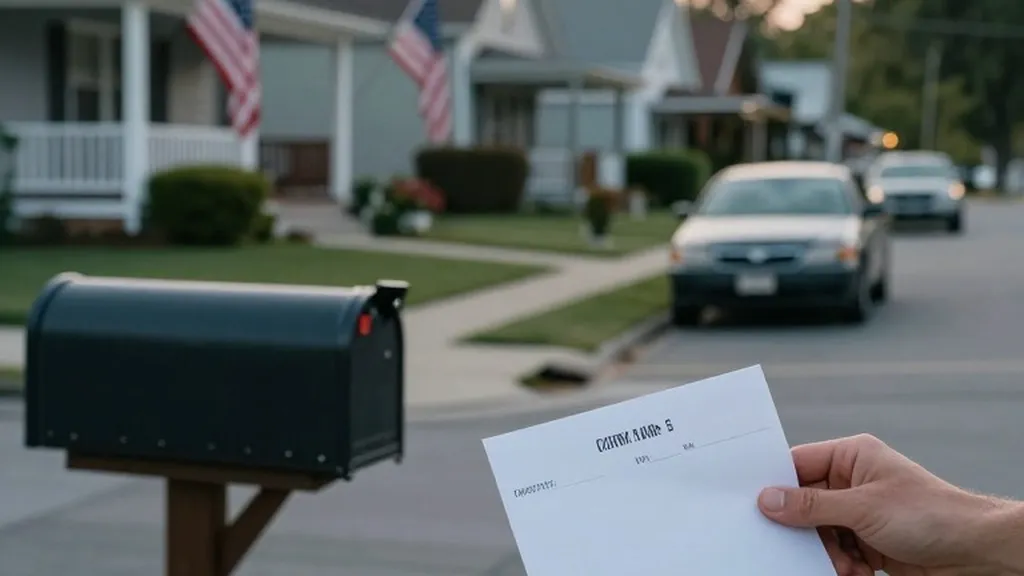
The U.S. Postal Service has added hours, staff, and special lines to ensure that mail ballots are counted on time, a measure that has been crucial in states like Florida and Georgia where a significant portion of the vote is cast by mail or early in person. The Associated Press notes that the 2026 elections are likely to be the most expensive in history, with Republican groups spending heavily to protect their majorities. As polls open across the Southeast, the focus remains on the turnout of Republican voters, with the party hoping to beat the midterm pattern and maintain its control over Congress for the final two years of President Trump's term.