Trump's Midterm Gamble: Rallies, Approval, and the Southeast Stakes
As polls open across the Southeast, a divided party and low approval ratings shape the campaign's final days.
By Allison Singh ·
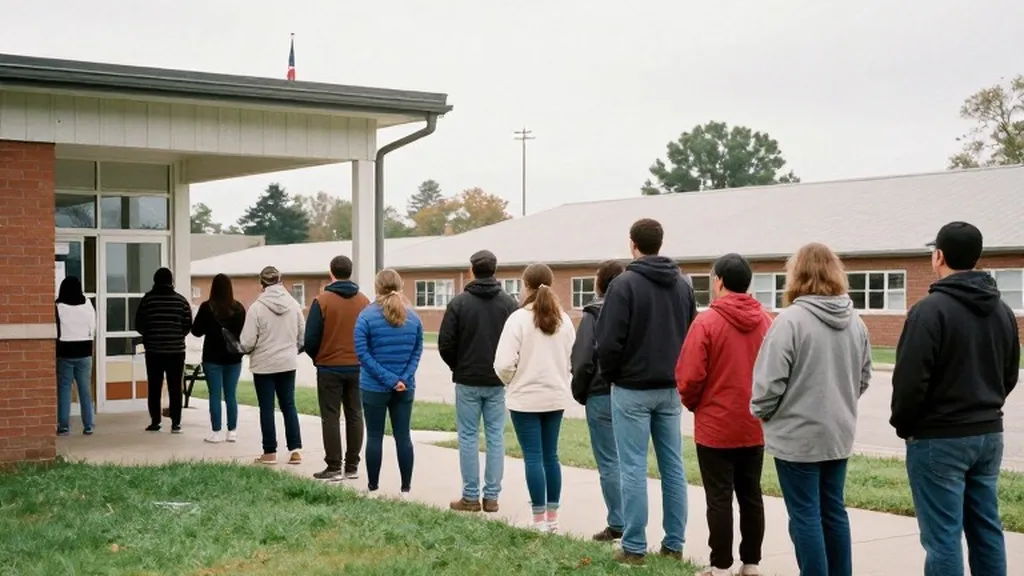
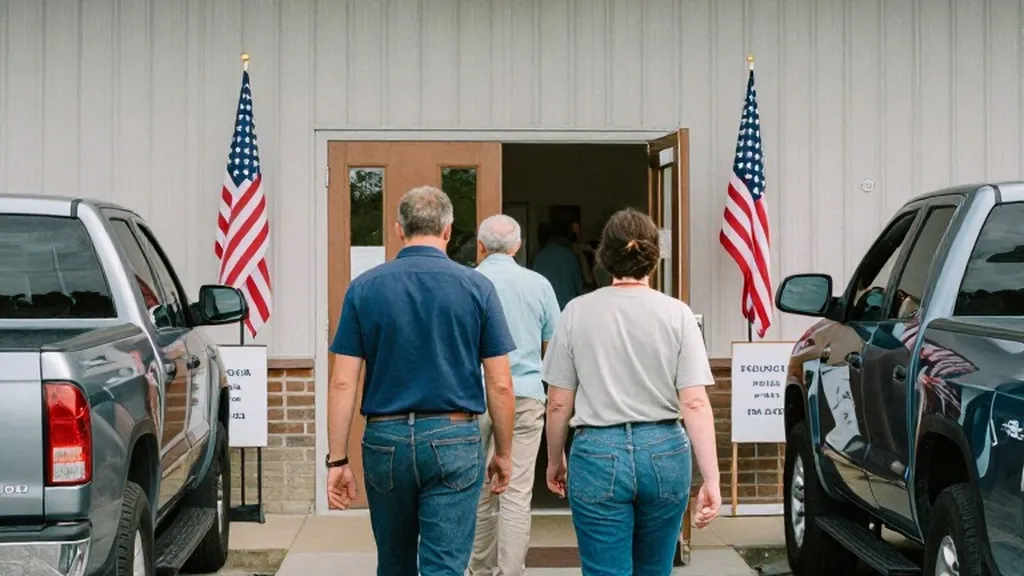
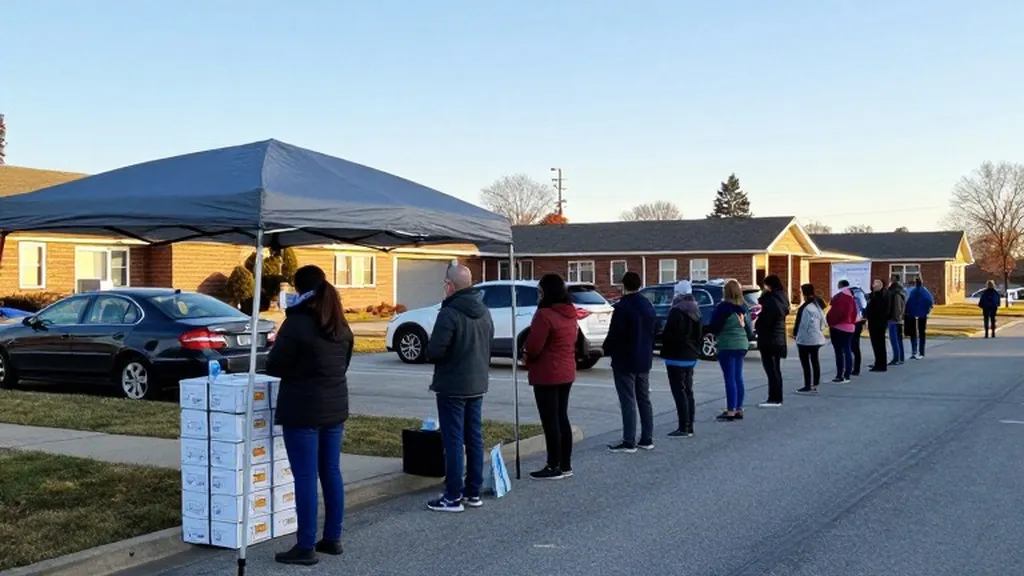
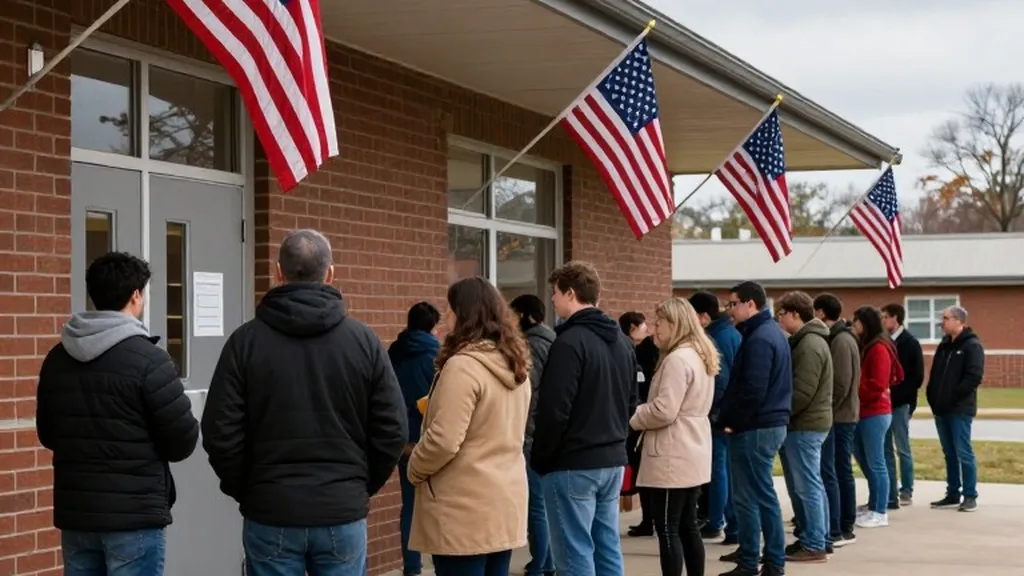
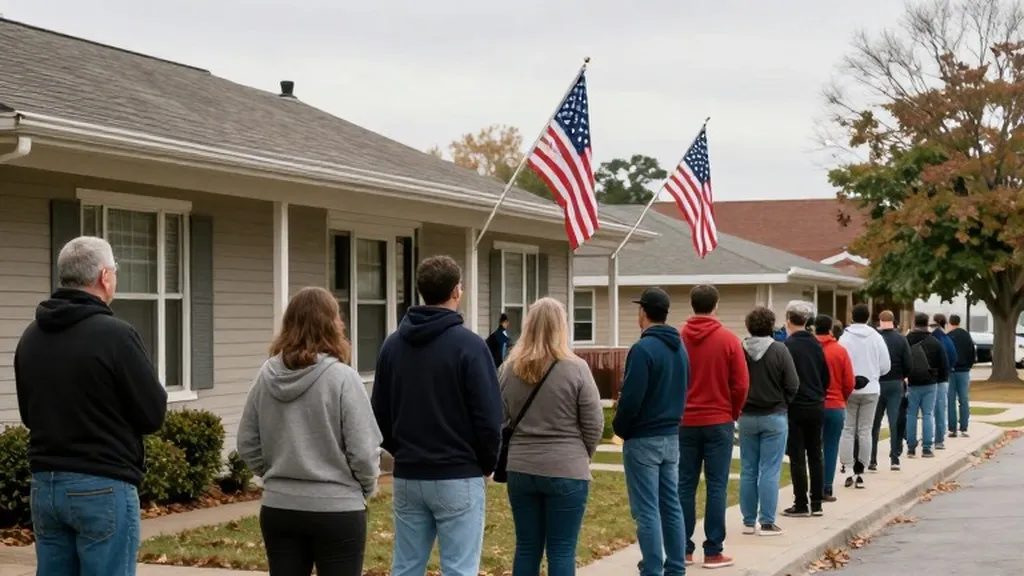
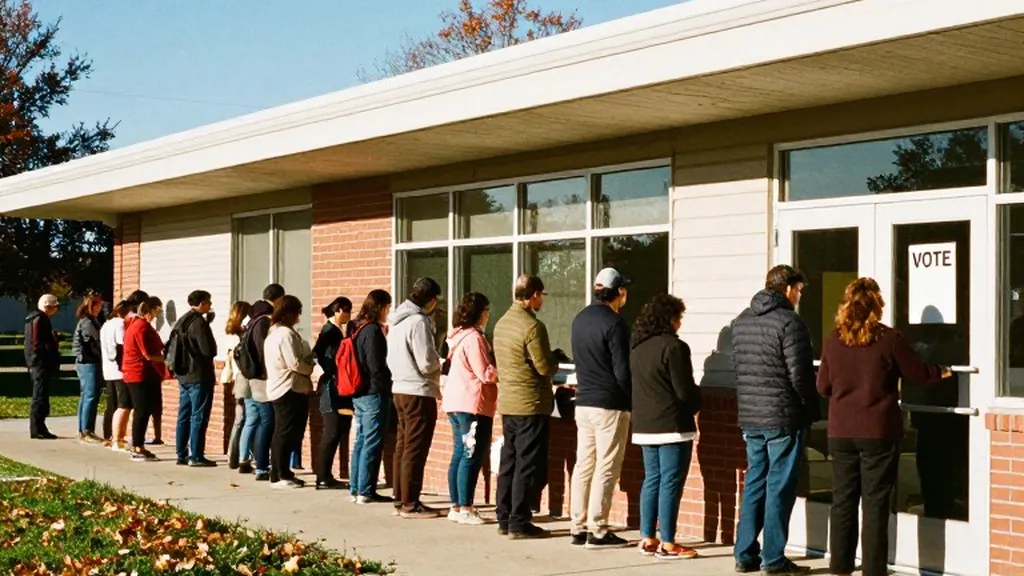
Voters across the Southeast are heading to the polls on Tuesday, November 3, 2026, to decide the balance of power in Congress during the final two years of President Donald Trump's second term. The Associated Press describes the election as a referendum on the president's performance, with many citizens struggling with high prices and expressing anger over the ongoing war with Iran. In Georgia, polls are open from 7 a.m. to 7 p.m. for the Senate race involving incumbent Jon Ossoff and the open governor's seat. Florida voters are also casting ballots from 7 a.m. to 7 p.m. in an open governor's race, while North Carolina polls open at 6:30 a.m. and close at 7:30 p.m. for the open Senate seat.
President Trump has been highly active in the final days of the campaign, holding dozens of rallies to energize the base. His schedule included stops in Mississippi, South Carolina, and Texas, with his final rally taking place on Sunday in Salina, Kansas. At that event, the president urged supporters to imagine his presence in the contest, saying, "I really want you to pretend I'm on the ballot." This strategy highlights the central tension in the Republican caucus, as many candidates have kept their distance from the White House to appeal to swing voters who may be wary of the president's low approval numbers.
The Associated Press and NORC polling data indicates that 35 percent of U.S. adults approve of Trump's job performance, while only 25 percent approve of his handling of the economy. Approximately seven in ten Americans say the country is heading in the wrong direction, and most blame the president for high prices. These figures are particularly relevant in the Southeast, where economic concerns dominate the conversation. In South Carolina, polls are open from 7 a.m. to 7 p.m. for the Senate race featuring incumbent Darline Graham and the open governor's seat. Tennessee polls vary by county for the Senate race with incumbent Bill Hagerty and the open governor's race.
In Alabama, polls are open from 7 a.m. to 7 p.m. for both the open Senate and governor's races. Mississippi polls are also open from 7 a.m. to 7 p.m. for the Senate race with incumbent Cindy Hyde-Smith. The AP notes that Republicans are bracing to lose the House while fighting to hold the Senate, with one or two seats potentially tipping either chamber. Democrats are described as cautiously optimistic, hoping to capitalize on the president's unpopularity. The outcome will determine who controls the legislative agenda and oversight investigations for the remainder of the term.
Despite the enthusiasm at rallies, many Republican candidates have maintained a degree of separation from the president to avoid being associated with his declining approval ratings. This dynamic is evident in the fundraising data, which shows that Republican committees have outraised and outspent Democratic committees, aided by Trump affiliated groups and Elon Musk. However, at the candidate level, Democrats have outraised their opponents. The AP analysis of AdImpact data reveals that 88.1 percent of Republican general election TV ad spending went to states and districts Trump won in 2024, including more than $850 million in areas where he won by 10 points or more.
The campaign has also been marked by controversy over voting administration. The Trump administration has continued to make false claims about voting fraud, including assertions that noncitizens vote in large numbers. The administration filed lawsuits in Alaska and California, and Democrats have expressed concern over potential interference and intimidation as the Justice Department threatens to prosecute local election officials. A federal judge temporarily barred the administration from carrying out a plan to prevent noncitizen voting, while another judge ordered the administration to stop demanding that California officials segregate ballots cast by people on suspected noncitizen lists.
Voters in the Southeast are weighing these national issues against local concerns. In Georgia, the Senate race pits Jon Ossoff against Republican Rep. Mike Collins, with the state having voted for Trump by 2.2 points in 2024. The governor's race features Republican health care executive Rick Jackson against Democratic former Atlanta Mayor Keisha Lance Bottoms. In North Carolina, the open Senate seat is contested by Democratic former Gov. Roy Cooper and former RNC chair Michael Whatley, following the retirement of Thom Tillis. The state's new congressional maps may influence the House races as well.
The mood among voters is mixed, with some expressing strong support for the president's leadership. Mark Barker of Palm Beach Gardens, Florida, told the AP that he has been following Trump closely and believes he is doing an awesome job. In contrast, James Moore, a 57 year old librarian in Raleigh, North Carolina, cited rising costs as a primary concern, noting that he is paying more for taxes, healthcare, and everyday items. These personal narratives reflect the broader national debate over the cost of living and the direction of the country.
The stakes are high for both parties, with the midterm results potentially shaping the 2028 presidential landscape. A strong Democratic night would boost potential candidates such as Gavin Newsom, JB Pritzker, and Pete Buttigieg, while complicating the path for Vice President JD Vance. House Democratic Leader Hakeem Jeffries would become the first Black speaker if Democrats gain the majority, and he has outlined a 100 day agenda focused on the cost of living and oversight. Republicans are trying to beat the historical midterm pattern with redistricting, but new districts in Florida and elsewhere may not vote as drawn.