Ten governor races set the stage for national control on Election Day
Voters in Georgia, Nevada, and other key states decide leadership while Republicans aim to maintain their historic advantage in statehouses.
By Allison Singh ·
Voters across the United States are heading to the polls on Tuesday, November 3, 2026, to decide the balance of power for the final two years of President Donald Trump's second term. The midterm election determines who controls Congress and which party holds a majority of governorships. According to Ballotpedia, thirty-six governorships are on the ballot this year. Heading into the election, Republicans hold twenty-six governor's offices and Democrats hold twenty-four. Of the specific races currently being contested, each party holds eighteen seats. This parity means that a net gain of two governorships would allow Democrats to claim a nationwide majority for the first time since 2010.
The Associated Press describes the election as a referendum on the current administration, with many voters expressing frustration over high prices and an unpopular war with Iran. AP-NORC polling indicates that thirty-five percent of U.S. adults approve of Trump's job performance, while only twenty-five percent approve of his handling of the economy. Approximately seven in ten respondents say the country is heading in the wrong direction. These sentiments are driving high engagement, with more than fifty-seven million people having already cast ballots as of Monday. This early vote total has surpassed the numbers from four years ago in many closely watched states, suggesting a high level of participation in the upcoming count.
Ten specific governor races are drawing particular attention due to their potential to shift the national balance. In Georgia, Republican health care executive Rick Jackson is facing Democratic former Atlanta Mayor Keisha Lance Bottoms in a race to succeed term-limited Governor Brian Kemp. Georgia polls are open from 7 a.m. to 7 p.m. local time. In Nevada, Republican Governor Joe Lombardo is running for re-election against Democratic Attorney General Aaron Ford. Nevada polls are also open from 7 a.m. to 7 p.m., with the state utilizing a largely mail-in voting system that has seen significant early turnout.
Midwestern and Rust Belt states offer critical tests for the Republican hold on state leadership. In Ohio, Republican Vivek Ramaswamy is campaigning against Democrat Amy Acton. Ramaswamy's campaign has navigated public backlash over an advertisement featuring Acton's estranged mother. Ohio polls are open from 6:30 a.m. to 7:30 p.m. In Michigan, the race is considered competitive, with Democrats defending the governorship. Michigan polls are open from 7 a.m. to 8 p.m. In Wisconsin, Democrats are defending the seat in a state where the incumbent chose not to run. Wisconsin polls are open from 7 a.m. to 8 p.m.
Western states present another cluster of pivotal contests. In Arizona, Democrats are defending the governorship held by Katie Hobbs in a state that Trump won in 2024. Arizona polls are open from 6 a.m. to 7 p.m. In Kansas, a reliably Republican state, the race is central to the fight for Senate control, though the governor's office is also up for grabs. Kansas polls are open from 7 a.m. to 7 p.m. Central Time. In Pennsylvania, Democrats are defending the seat held by Josh Shapiro. Pennsylvania polls are open from 7 a.m. to 8 p.m. These races are significant because they test whether the party of the president can maintain its presence in states that voted for the opposing party in the last presidential election.
New England races add further complexity to the map. In New Hampshire, Republican Governor Kelly Ayotte is seeking re-election in a state where polls vary by town but generally open by 11 a.m. and close no earlier than 7 p.m. In Vermont, Republican Governor Phil Scott is running for another term. Vermont polls open between 5 a.m. and 10 a.m. and close at 7 p.m., with the state relying heavily on mail ballots. The Associated Press notes that Republicans are bracing for the possibility of losing the House while fighting to hold the Senate. One or two seats could tip the balance in either chamber, making these governor races part of a broader calculation of national power.
Financial resources have played a significant role in shaping the campaign landscape. The 2026 elections are likely to be the most expensive in history, according to the Associated Press. Republican committees have outraised and outspent Democratic committees, aided by Trump-affiliated groups and contributions from Elon Musk. However, at the candidate level, Democrats have outraised their opponents. An analysis of AdImpact data by the AP shows that 88.1 percent of Republican general election television ad spending went to states and districts that Trump won in 2024. This includes more than $850 million in states where he won by ten points or more, indicating a strategy focused on consolidating support in areas where the party has a strong base.
Turnout remains the central theme for both parties. RNC Chairman Joe Gruters stated that everything depends on voter participation, emphasizing that if Republicans turn out their voters, they will win. DCCC Chair Rep. Suzan DelBene countered that the American people are angry and want change. These messages reflect the broader mood of the electorate, which is divided on the direction of the country. In Palm Beach Gardens, Florida, voter Mark Barker expressed support for the current administration, saying he thinks Trump is doing an awesome job. In Raleigh, North Carolina, librarian James Moore cited higher taxes and healthcare costs as reasons for his vote.
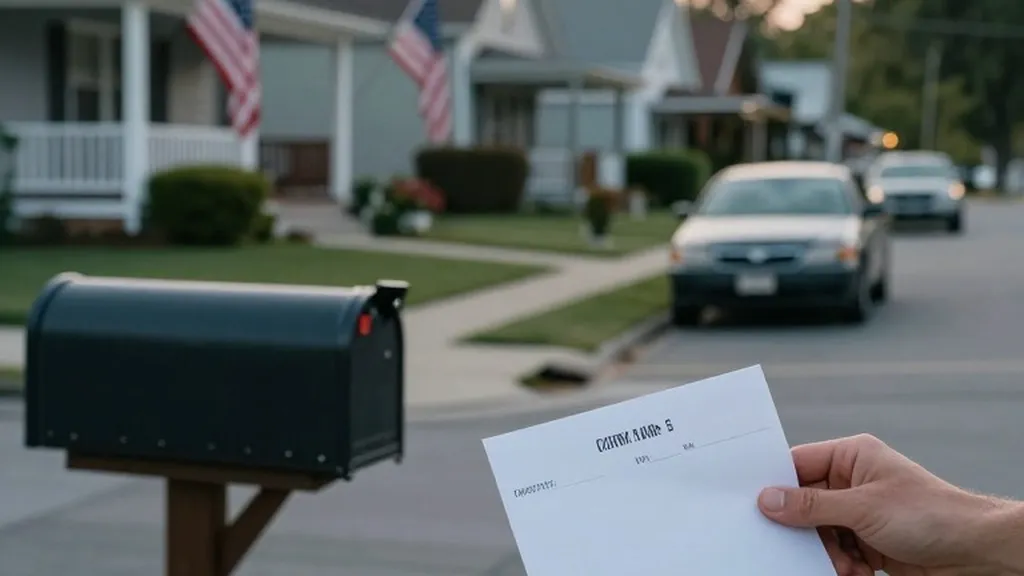
The administration has continued to make claims about voting fraud, including assertions that noncitizens vote in large numbers. A federal judge temporarily barred the Trump administration from carrying out a plan intended to prevent noncitizen voting, citing concerns that it risks disenfranchising eligible voters. The administration has also sued in Alaska and California regarding the certification of election results. These legal challenges have added a layer of complexity to the election administration process. The U.S. Postal Service has added hours, staff, and special lines to ensure that mail ballots are counted on time, a critical step in states like Nevada and Vermont where mail voting is prevalent.