Southeast voters face record spending and shifting political tides
As polls open across the region, the 2026 midterms mark the most expensive election in history, with Republican committees holding a significant financial edge despite Democratic candidate-level advantages.
By Hugo Konate ·
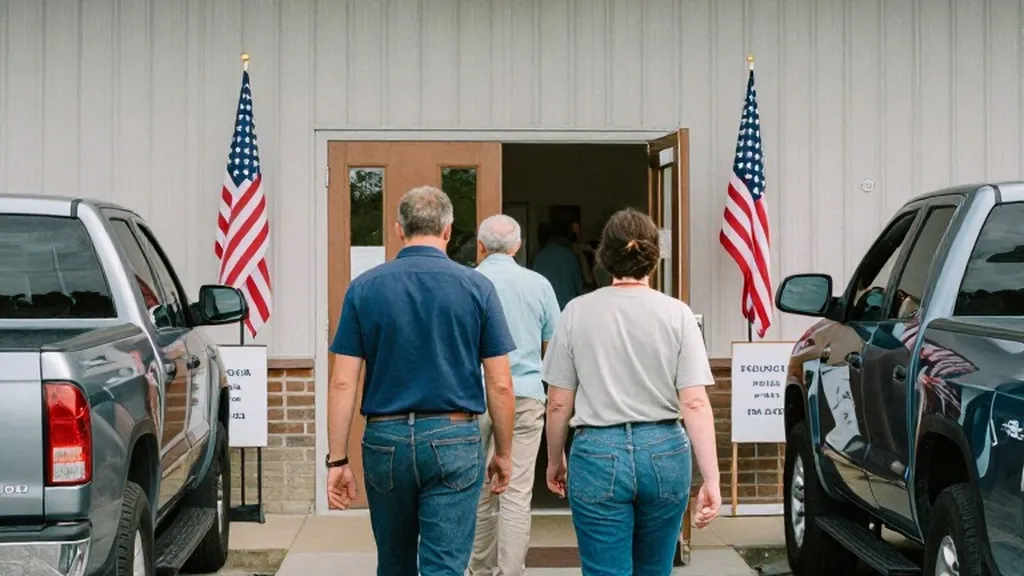
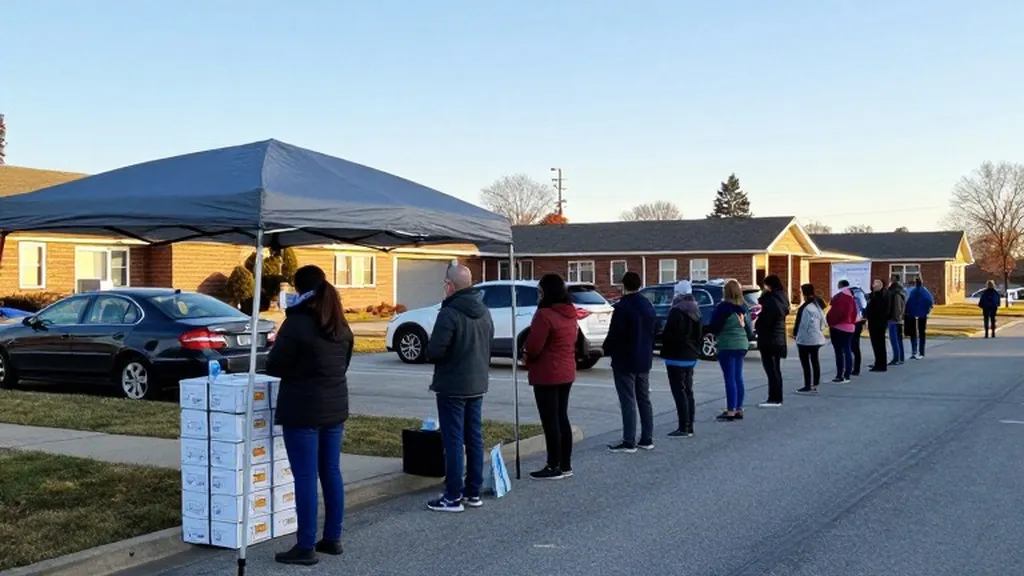
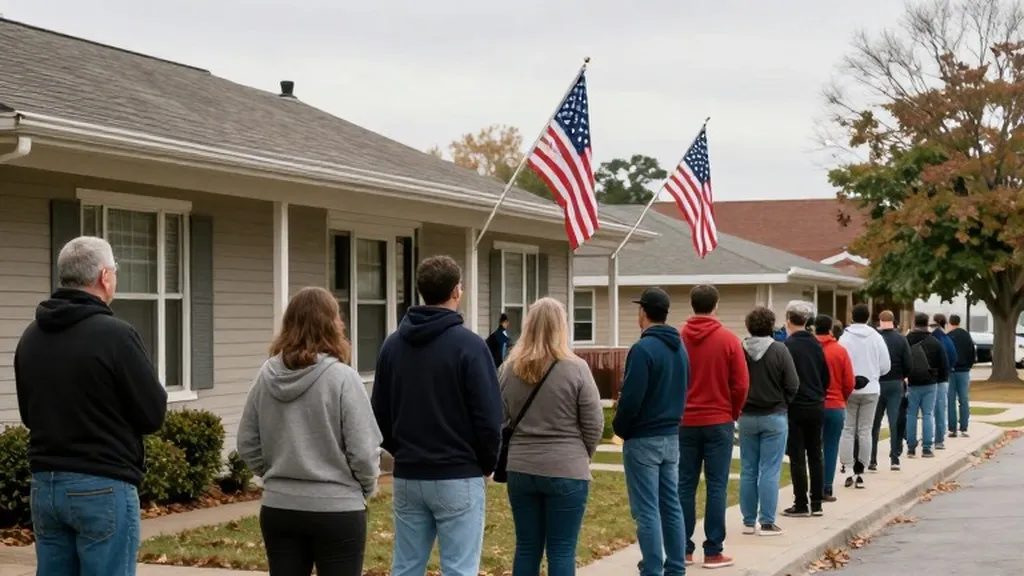
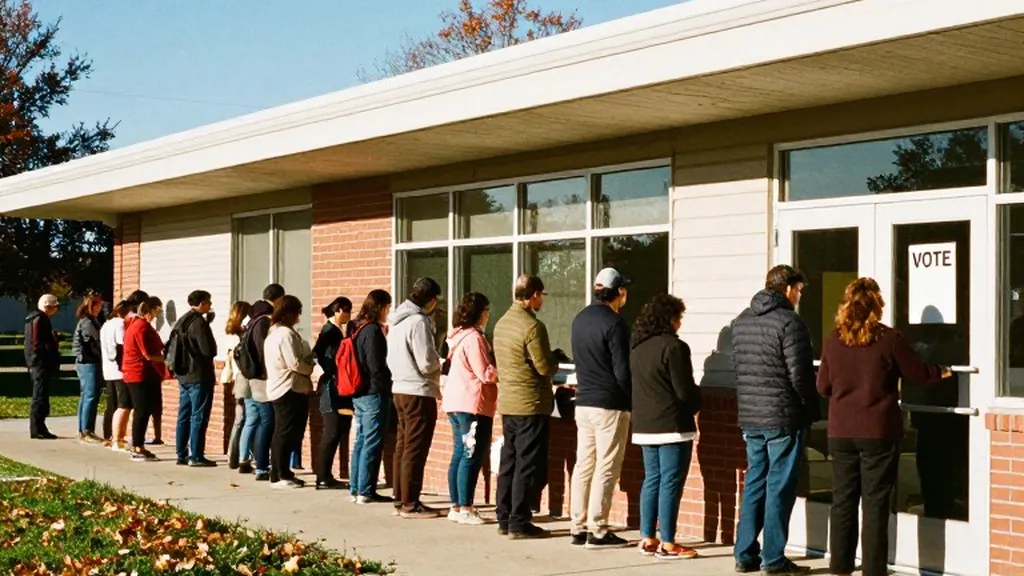
Polls are open across the Southeast as voters head to the polls to decide the composition of Congress for the final two years of President Donald Trump's second term. In Georgia and Florida, where polls open at 7 a.m. and close at 7 p.m., residents face critical decisions in open governor races and Senate contests. North Carolina voters, with polls open from 6:30 a.m. to 7:30 p.m., are choosing a new senator in an open seat following the retirement of Thom Tillis. The day marks a pivotal moment in American politics, defined by high stakes and unprecedented financial investment.
The Associated Press reports that the 2026 elections are likely to be the most expensive in history. This record spending reflects the intensity of the campaign to determine which party controls the legislative branch. Republican committees have outraised and outspent their Democratic counterparts, a advantage bolstered by contributions from Trump-affiliated groups and Elon Musk. This financial disparity has shaped the media landscape in key battleground states, including those in the Southeast.
Analysis of AdImpact data by the Associated Press reveals that 88.1 percent of Republican general election television ad spending went to states and districts where Trump won in 2024. Of that total, more than $850 million was spent in areas where the former president won by ten points or more. This strategy aims to consolidate support in Republican-leaning districts while competing in closer races. In contrast, at the candidate level, Democrats have outraised their Republican opponents, suggesting a different approach to direct voter outreach in specific districts.
In the Senate, several races in the Southeast and surrounding states will determine control of the chamber. Republicans currently hold 53 seats, while Democrats hold 45, with two independents caucusing with the minority. Democrats need a net gain of four seats to secure a majority, whereas Republicans can lose only two. In Georgia, incumbent Senator Jon Ossoff faces Republican Representative Mike Collins in a state where Trump won by 2.2 points in 2024. In North Carolina, Democratic former Governor Roy Cooper challenges former Republican National Committee chair Michael Whatley for the open seat left by retiring Senator Thom Tillis.
The governor races in the region are equally contentious. Georgia voters will choose between Republican health care executive Rick Jackson and Democratic former Atlanta Mayor Keisha Lance Bottoms to succeed term-limited Governor Brian Kemp. In Florida, polls are open from 7 a.m. to 7 p.m., and the state has no Senate race, but the open governor race is a focal point for both parties. The Associated Press identifies Florida as a competitive governor race, alongside Texas and Iowa. Democrats hope to hold a majority of governorships for the first time in two decades, a goal that would require a net gain of two seats nationwide.
Voter sentiment in the region is shaped by economic concerns. The Associated Press describes the election as a referendum on the president's second term, with many voters struggling with high prices. In North Carolina, James Moore, a 57-year-old librarian in Raleigh, cited rising costs for taxes, health care, and general goods as his primary motivation for voting. In Florida, Mark Barker of Palm Beach Gardens expressed support for the president, stating that he believes Trump is doing an awesome job. These differing perspectives highlight the divided nature of the electorate in key swing states.
Republican National Committee Chairman Joe Gruters emphasized the importance of voter turnout, stating that if the party turns out its voters, they will win. This focus on turnout is critical as Republicans brace for the possibility of losing the House while fighting to hold the Senate. The Associated Press notes that one or two seats could tip the balance in either chamber. Democrats, meanwhile, are described as cautiously optimistic, relying on their candidate-level fundraising edge and the anger of voters over the cost of living.
The financial dynamics of the campaign have influenced how ads are placed in the Southeast. The heavy spending in areas where Trump won by wide margins suggests a strategy to lock in support in solidly Republican districts. However, the competitive nature of races in Georgia and North Carolina requires significant investment in these tighter markets. The presence of new congressional maps in states like North Carolina and Tennessee adds another layer of complexity, as these redistricted districts may not vote as originally drawn.
As polls close at 7 p.m. in most Southeastern states, the focus shifts to the administration of the election. The U.S. Postal Service has added hours and staff to ensure mail ballots are counted on time. A federal judge temporarily barred the Trump administration from carrying out a plan to prevent noncitizen voting, a move that critics say risks disenfranchising eligible voters. These administrative details are crucial as the region prepares to cast its votes in what is being called the most expensive election in history.
The results of these races will have significant implications for the president's final two years in office. If Democrats win control of even one chamber, investigations and possible impeachment proceedings become likely. House Democratic Leader Hakeem Jeffries has outlined a 100-day agenda focused on the cost of living and oversight. For Republicans, holding the Senate is essential to blocking potential Democratic initiatives. The financial edge of Republican committees and the candidate-level advantage of Democrats will be tested as votes are counted across the Southeast.
Voters in the region are making their choices in the context of a broader national trend. More than 57 million people had already voted as of Monday, surpassing early vote totals from four years ago in many closely watched states. This high level of participation underscores the importance of the 2026 midterms. As the polls close, the focus turns to the final tally, which will determine the balance of power in Congress and the direction of the country for the next two years.