Midterm math: How Southeast voters test the historical loss
With polls open across the Southeast, both parties deploy new maps and heavy spending to defy the historical trend of the president's party losing seats.
By Hugo Konate ·
The political calendar has arrived at its most predictable and volatile moment: the midterm election. History dictates that the party holding the White House almost always loses seats, a pattern that has shaped Congress for decades. Yet on this Tuesday in November 2026, both Democrats and Republicans are deploying every strategic tool at their disposal to break that cycle. The stakes are high as voters in the Southeast head to the polls to decide who will control the legislative branch for the final two years of President Donald Trump's second term.
The Associated Press describes the election as a referendum on the administration's performance, with voters grappling with high prices and an unpopular war with Iran. According to AP-NORC polling, 35 percent of U.S. adults approve of Trump's job performance, while 25 percent approve of his handling of the economy. About seven in ten respondents say the country is heading in the wrong direction, with most blaming the president for rising costs. This economic anxiety is driving voter behavior in key Southeastern states where the margin of victory is often razor-thin.
Republicans are bracing for a potential loss in the House, where they currently hold 218 seats. Democrats need a net gain of just three districts to secure a majority, a threshold that appears achievable given the 46 battleground districts identified by Ballotpedia. In response, Republican committees have outraised and outspent their Democratic counterparts, aided by Trump-affiliated groups and significant contributions from Elon Musk. However, at the individual candidate level, Democrats have managed to raise more funds than their opponents, allowing them to target specific districts with precision.
In the Senate, Republicans hold 53 seats and can afford to lose only two to maintain their majority. Democrats need a net gain of four seats, a more ambitious goal that requires winning multiple competitive races. The AP notes that one or two seats could tip the balance in either chamber, making the outcome of these midterms particularly uncertain. The focus has turned to states like Georgia and North Carolina, where the 2024 presidential margins were narrow enough to allow for genuine competition between the two parties.
Redistricting plays a central role in this year's contest. Six states, including Florida, North Carolina, and Tennessee, are using new congressional maps following mid-decade redistricting. Republicans attempted to use these new boundaries to protect their majority, but Democrats argue that some of these districts may not vote as originally drawn. The AP reports that new districts in Florida and elsewhere are proving difficult to predict, adding a layer of complexity to the already tight races. This strategic reshaping of the map is a key element in both parties' efforts to beat the historical midterm loss.
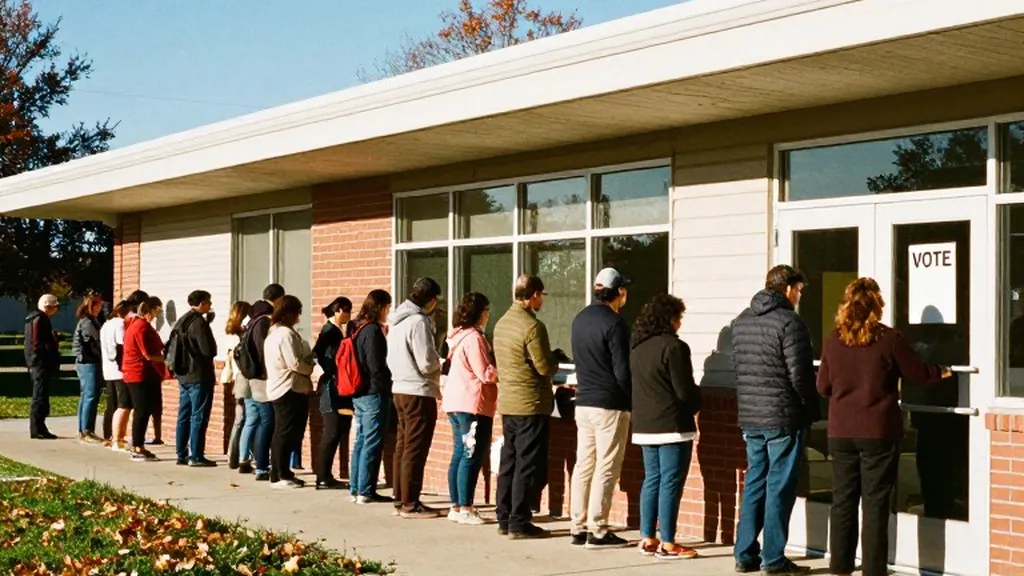
Voter turnout remains the decisive factor in these close contests. RNC Chairman Joe Gruters stated that everything depends on turnout, asserting that if they turn out their voters, they will win. Conversely, DCCC Chair Rep. Suzan DelBene emphasized that the American people are angry and want change. Early voting numbers have already surpassed those from four years ago in many closely watched states, with more than 57 million people having cast their ballots as of Monday. This high level of participation suggests a electorate that is engaged and motivated by the current political climate.
In the Southeast, specific matchups are drawing national attention. In Georgia, incumbent Sen. Jon Ossoff faces off against Republican Rep. Mike Collins in a race that polls show is leaning Democratic. In North Carolina, former Gov. Roy Cooper is challenging former Republican National Committee chair Michael Whatley for the open Senate seat left by Thom Tillis. These races are critical because they determine whether Democrats can gain the seats they need to control the chamber and initiate investigations into the executive branch.
The governor's races in the region also carry significant weight. In Georgia, Republican health care executive Rick Jackson is competing against Democratic former Atlanta Mayor Keisha Lance Bottoms. In South Carolina, the open governor's race adds to the competitive mix in a state that has become a key battleground. The AP has identified several of these races as competitive, noting that Democrats hope to hold a majority of governorships for the first time in two decades, a feat that would signal a broader shift in power.
Election administration has been a point of contention, with the Trump administration filing lawsuits in states like Alaska and California. A federal judge temporarily barred the administration from implementing a plan to prevent noncitizen voting, a move that critics say risks disenfranchising eligible voters. The Justice Department has also threatened to prosecute local election officials, a strategy that Democrats fear could intimidate voters and interfere with the process. These legal battles add to the uncertainty surrounding the final count of votes.
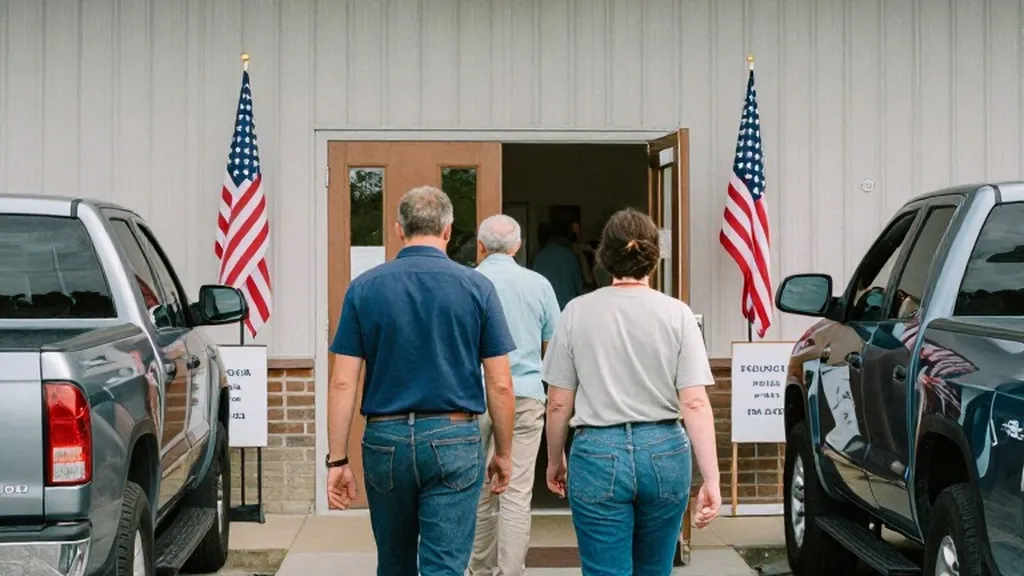
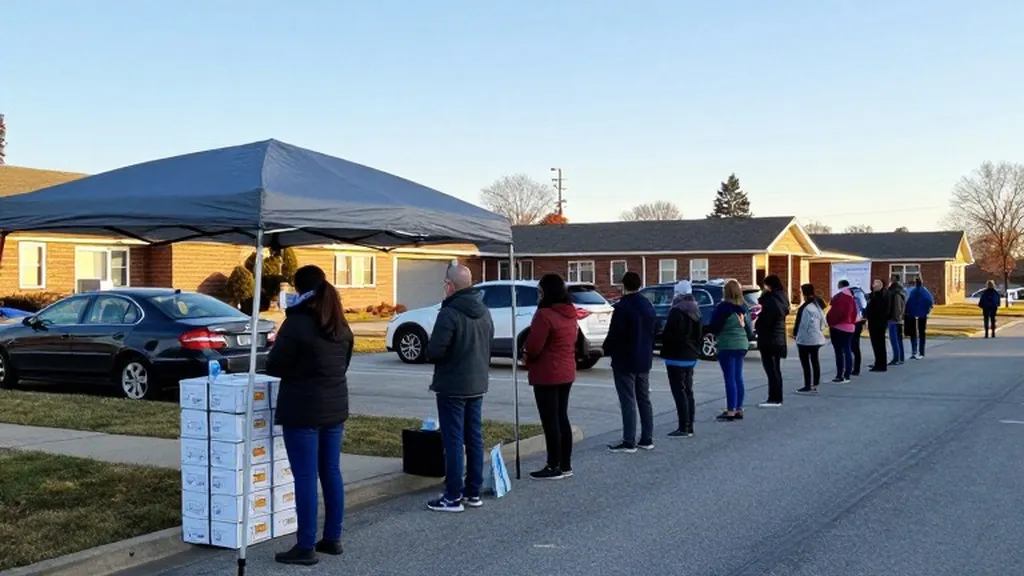
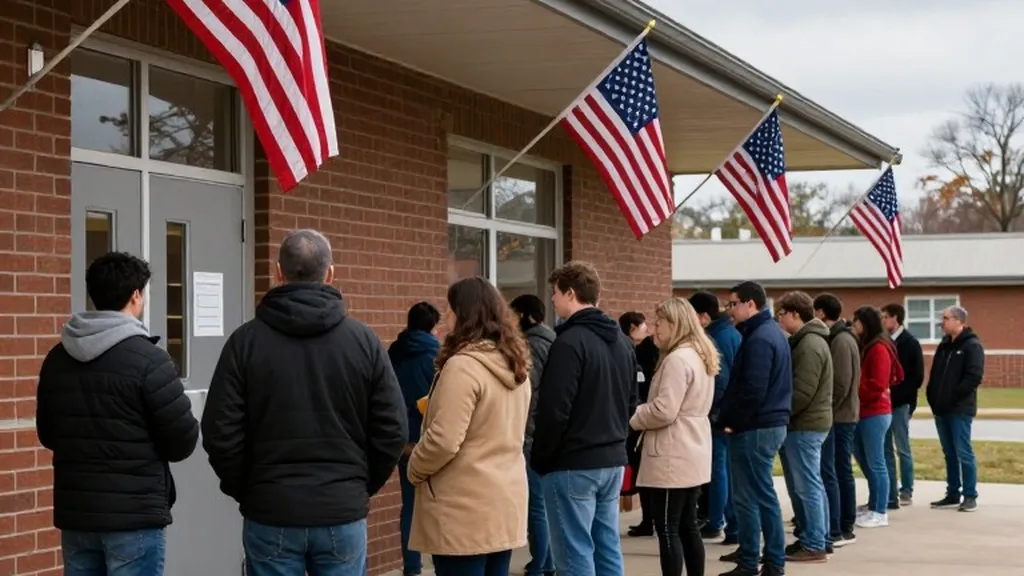
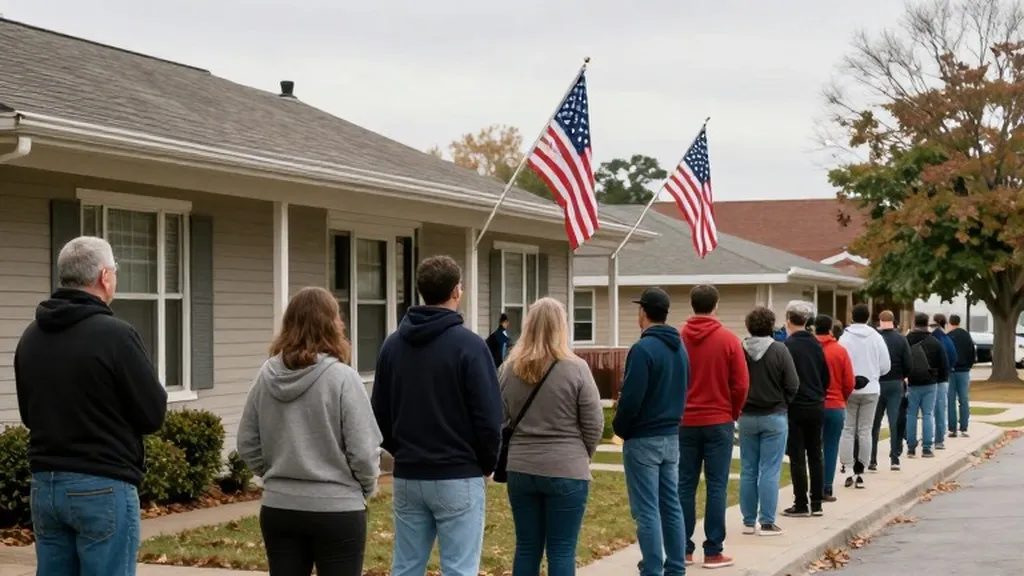
As polls open across the Southeast, with hours varying from 6:30 a.m. in North Carolina to 7 a.m. in Georgia and Florida, voters are casting their ballots in a historic election. The outcome will not only determine the composition of Congress but also the trajectory of the next two years in Washington. With the economy and national direction at the forefront of voters' minds, the results of this election day will define the political landscape for the remainder of the decade.
The final numbers will emerge as polls close in the evening, with many states reporting results late into the night. The Associated Press and other news organizations are tracking the progress closely, noting that the margin of victory in several key districts remains within the range of error. For now, the focus is on the sheer volume of voters heading to the polls, a clear indicator that the public is ready to make its voice heard on the future of the country.