DOJ sends target letters to 20 Democrats in Alaska probe
Letters to election lawyers and officials arrive as the Justice Department deploys 1,000 monitors across urban districts.
By Jason Cooper ·
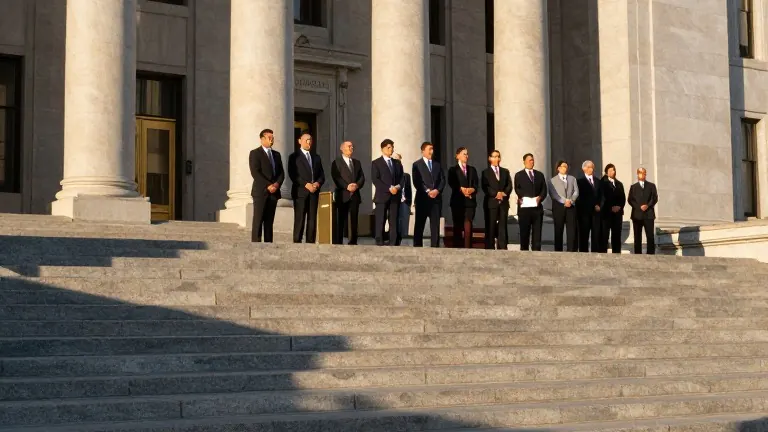
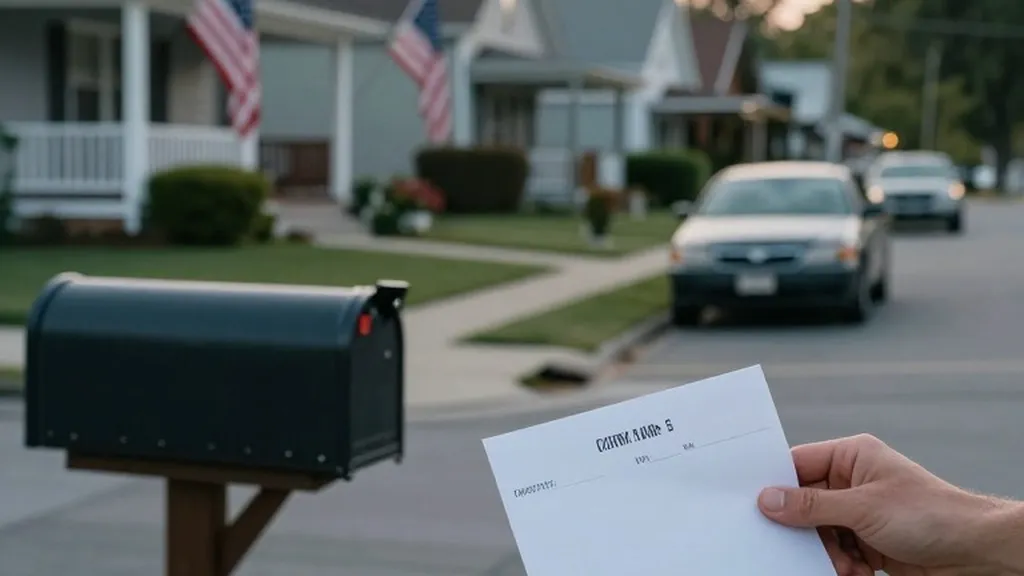
The Trump administration’s multi-month effort to scrutinize state election procedures reached a peak on Election Day. The Justice Department has sent criminal investigation notices to approximately 20 Democratic figures. These recipients include prominent election attorney Marc Elias and at least one official from the Democratic Senatorial Campaign Committee. The letters inform the recipients that they may be targets in a criminal probe regarding the Alaska Senate race.
The investigation focuses on how a candidate with the same name as incumbent Republican Senator Dan Sullivan appeared on the ballot. The New York Times, citing a person familiar with the case, reported that the department is investigating possible donor fraud and conspiracy charges. NBC News added that the package included preservation requests for third parties to retain records. Receiving a target letter does not confirm a criminal charge, nor does it guarantee that charges will be filed.
Marc Elias, who represented Democratic nominee Mary Peltola in the Alaska election, responded to the news on Tuesday. He stated, "No one should be surprised that President Trump's Department of Justice is targeting me and my law firm on Election Day." President Donald Trump criticized Elias during a Tuesday morning interview on Fox News' "Fox and Friends." The president called Elias a "bad guy" and said he believed the lawyer "should go to jail, in my opinion." Trump also accused the Democratic Party of searching Alaska for a candidate named Sullivan.
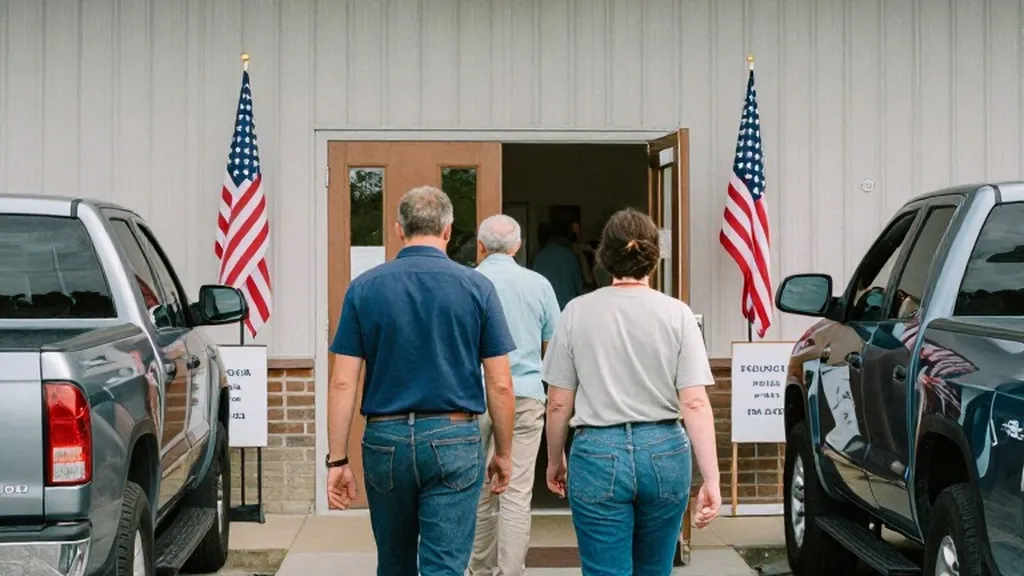
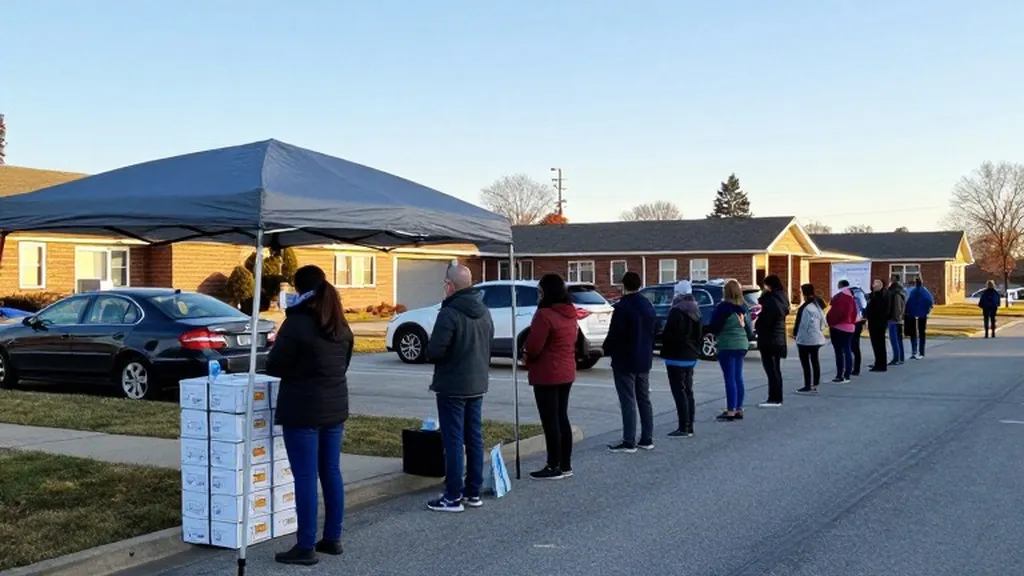
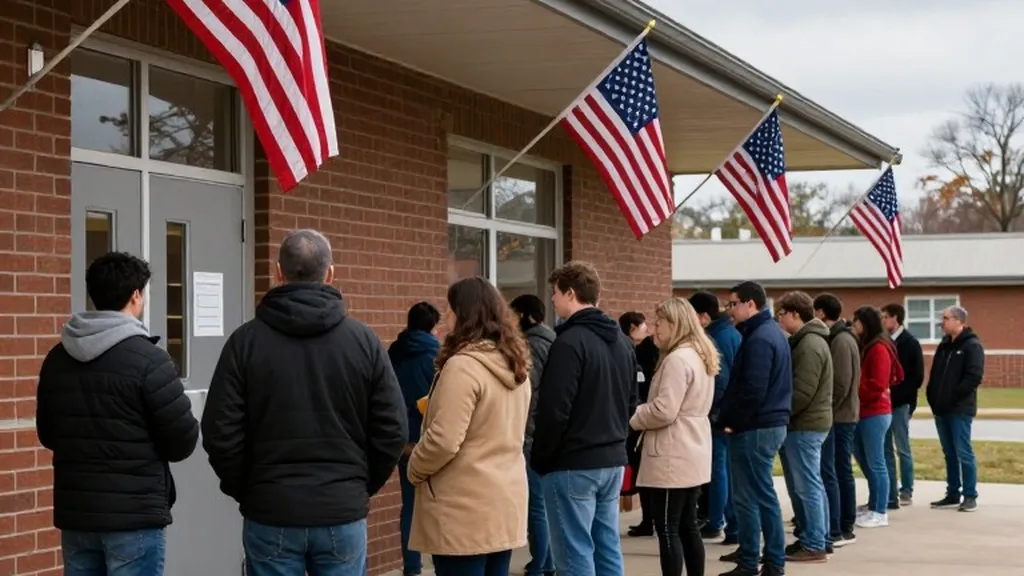
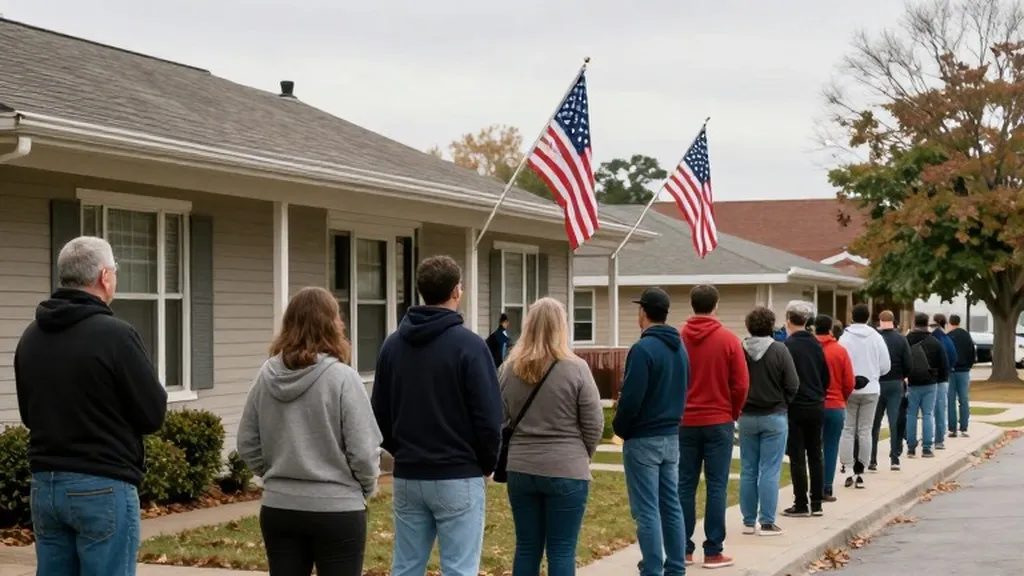
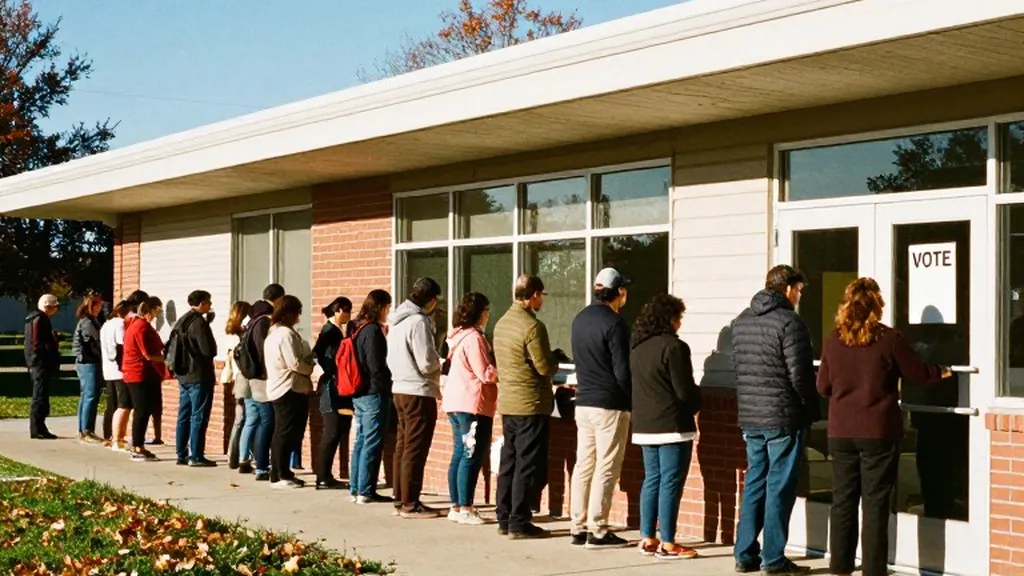
The legal and political pressure coincides with a massive deployment of federal election monitors. The Justice Department announced on Tuesday that it is deploying approximately 1,000 observers across the country. These monitors are focusing primarily on urban areas with high Democratic voter turnout. In a Monday hearing before Judge Reggie Walton in Washington, Department of Justice lawyer Kathryn Barragan told the court that the agency expected to deploy 900 people. She noted that only about 100 monitors were used in 2024.
A federal judge dismissed a separate Justice Department lawsuit on Sunday. That suit sought to delay the certification of Alaska's Senate election if Senator Sullivan lost by a margin attributable to voter confusion. The Department of Justice is appealing that ruling. The dismissal comes as multiple federal courts handle urgent election-related motions. On Monday, the Supreme Court rejected a request from the Justice Department to block California from counting approximately 20,000 mail-in ballots from voters the department suggested might not be U.S. citizens.
California Attorney General Rob Bonta said on Monday that he and 23 other Democratic state attorneys general have been preparing for potential administrative interference for months. Bonta stated that the group "game-planned, and .. war-gamed and tabletop- and scenario planned all the possibilities." He emphasized that existing California laws make it a criminal offense to remove ballots from the custody of an election official. Bonta expects the administration to continue targeting state procedures through the 2028 cycle.
John Cusick, assistant counsel at the Legal Defense Fund, identified three primary goals of the administration's election strategy. Cusick described the effort as an attempt to intimidate voters, create confusion about rules, and prepare for post-election challenges. He said the administration's actions have created a "chilling effect" on election workers. Attorney General Todd Blanche previously told reporters on October 22 that there are scenarios where the department could block states from certifying results, though he said it was not the department's intention to improperly interfere.
A bipartisan group of former election officials filed a brief with the 9th Circuit Court of Appeals on Monday. The filing described increased federal pressure as part of a pattern of asserting authority over elections. This case involves an appeal of a California federal judge's order barring the administration from intimidating election workers. District Court Judge Sharon Gleason noted in her Sunday ruling that the time, place, and manner of Alaska's election are state responsibilities, not those of the federal executive branch.
Source: CNBC