DTE Plans Gas Plants Despite Carbon Goals
The utility proposes adding 2.1 gigawatts of gas generation, relying on unproven capture technology to meet 2040 state mandates.
By Allison Singh ·
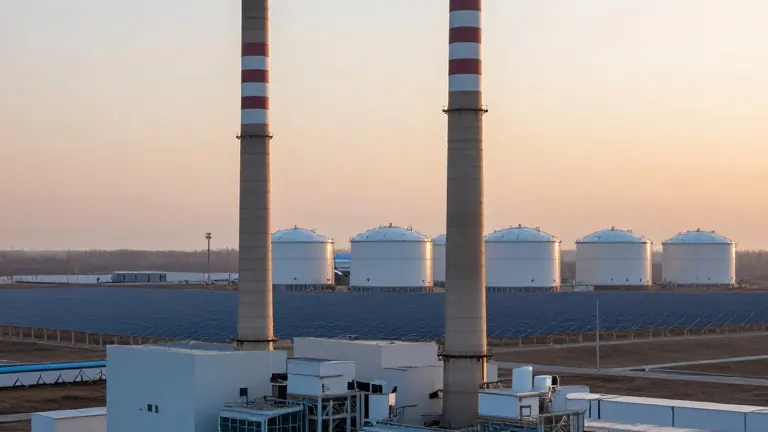
DTE Electric faces a regulatory test as it proposes building two new gas-fired power plants in southeast Michigan. The utility argues it can meet the state's 2040 carbon-free mandate by adding carbon capture and sequestration equipment later. Critics contend this strategy relies on technology that has not yet proven itself at scale in the U.S. power sector.
The 20-year integrated resource plan, filed with the state public service commission in September, outlines a major shift in energy infrastructure. DTE intends to close the 3-gigawatt Monroe coal plant, which has operated for half a century. In its place, the plan calls for 15 gigawatts of renewable energy, primarily solar, and 4.5 gigawatts of battery storage. However, the proposal also includes two new gas plants totaling 2.1 gigawatts in the Detroit area.
This gas capacity is more than double the amount proposed in DTE's previous long-range plan from four years ago. That earlier filing suggested 946 megawatts of gas generation with carbon capture to replace the coal plant. The current plan cites 2.4 gigawatts of new customer load as a key change since 2022. DTE has signed contracts with Oracle and Google for this combined power demand.
Helen Li, senior attorney at Earthjustice, pointed to the direct numerical link between the new gas capacity and the data center contracts. She noted that DTE is locking in billions of dollars for fossil generation now, with the promise of spending more later to ensure compliance. Li argued that both the initial construction and the future compliance costs require full evaluation before ratepayer funds are committed.
The financial burden of the proposed projects is substantial. DTE estimates the two new gas plants will cost $6.4 billion to build. The cost of the carbon capture and sequestration infrastructure is harder to predict and could increase the total price significantly. Charlotte Jameson, chief policy officer of the Michigan Environmental Council, described the undertaking as incredibly expensive. She emphasized that the cost includes not just the capture technology on smokestacks but also the pipelines needed to transport carbon dioxide to storage sites.
S&P Global recently reported that carbon capture and sequestration remains at an early stage of deployment despite over 50 years of operations. The report cited high costs, financial risks, and market uncertainty as barriers. Most existing sites use the technology for enhanced oil recovery, where the captured carbon dioxide is used to extract oil from reservoirs. The Petra Nova project in Texas, the only commercial power plant in the U.S. to use the technology, has suffered a three-year shutdown and missed performance targets.
The Environmental Protection Agency stated last year that it is extremely unlikely the extensive infrastructure for carbon capture will be deployed by the 2032 compliance date set under previous federal rules. The Michigan law allows gas plants to count toward clean energy targets if they capture at least 90% of emissions. Regulators are currently deciding whether to approve DTE's plan. A DTE spokesperson declined to comment, directing inquiries to the company's website.
On October 30, the Michigan attorney general asked the public service commission to reexamine DTE's contract with Google. The request cited concerns that ratepayers might be charged unfairly for the data center's power needs. Jameson warned that the state's clean energy law contains broad exceptions for grid reliability and feasibility. She noted these off-ramps were written before the current data center boom and could allow utilities to miss renewable energy standards if load growth makes compliance difficult.
Mark Templeton, director of the Abrams Environmental Law Clinic at the University of Chicago, said the 2022 plan was critical for establishing the schedule to close coal plants. He described the current decision as equally important for determining the replacement energy source. Templeton noted that while locking in gas is better than continuing coal use, the margin for improvement is modest.
The state public service commission will study the proposal over the coming year. The decision will determine whether DTE can proceed with the gas plants and the associated carbon capture commitments. The plan also includes 15 gigawatts of renewables and 4.5 gigawatts of storage. Regulators will weigh the financial risks and the technological uncertainties against the need to meet state emission targets.
Source: Planet Detroit
More Business · Bad Business · Report a business · Got a Story?