Apopka smoke test flags 40+ suspected sewer defects in one basin
Crews are using non-toxic smoke to locate leaks in the city's aging wastewater infrastructure, a process mandated by the state to reduce unnecessary water volume.
By Jason Cooper ·
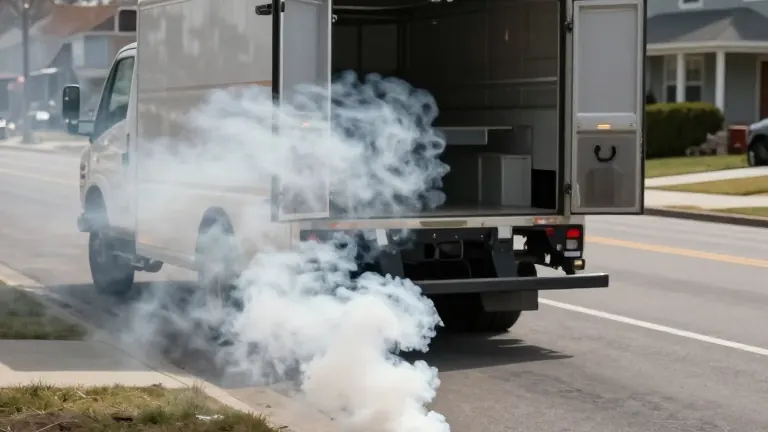
Utility crews in Apopka spent Wednesday blowing white, non-toxic smoke into underground pipes to locate leaks and cracks. The city is testing its sanitary sewer system to identify specific points where rainwater and groundwater are entering lines that should only carry wastewater. This work is part of a broader effort to maintain the city's aging infrastructure.
Contractor USSI performed the testing in an older service area. A crew member displayed a digital map to News 6 showing more than 40 green markers. Each marker represented a location flagged for potential problems. The number of confirmed defects remains unverified, and the map covers only the specific area inspected, not the entire city.
The process involves a powerful blower pushing smoke into sewer lines through access points. Workers monitor where the smoke escapes. Tim McRoberts, a senior project manager on the job, explained that smoke rising from rooftop vents is a normal sign of a healthy system. "When you see smoke emitting from the roofs, that's healthy," McRoberts said. Smoke appearing from the ground or street indicates a breach where unwanted water enters the system.
McRoberts stated the technique reveals broken cleanouts, leaking manholes, and improper connections. These issues often include residential gutters tied into sewer lines or stormwater pipes connected directly to the sanitary system. He noted that crews sometimes find crossovers left behind by previous contractors. McRoberts cited cost as the primary reason for using this method, describing it as one of the most affordable ways to assess a wastewater collection system.
The phenomenon is known as inflow and infiltration. Inflow occurs when water enters directly through openings like damaged manhole covers. Infiltration happens when groundwater seeps in through cracks. Crew members estimated that about 800,000 gallons of unwanted water enter the system daily during rainy conditions. This excess water increases pumping and treatment costs while reducing capacity during heavy rain.
Gabby Lederer, Apopka's utility program supervisor, explained that the city selected the area served by Lift Station 17 for this initial round of testing. "Because there really hasn't been too much preventative work here," Lederer said. The city plans to inspect the remaining basins over the next five to ten years. "We will do it citywide," she said.
Finding defects is the first step in the repair process. McRoberts said his team aims to locate all issues within a basin and fix those within their scope. Other repairs may be handled by city staff or other contractors. Lederer expects to receive substantial inspection data from USSI within one to two weeks. She hopes to begin manhole rehabilitation before the end of the year, though final repair costs and confirmed defect numbers are still pending.
The work satisfies a state requirement that took effect in June 2023. The Florida Department of Environmental Protection requires wastewater facility operators to develop collection-system action plans. These plans must aim to evaluate at least 25% of a utility's collection system over a five-year period.
Testing runs from 8 a.m. to 5 p.m. on weekdays through Friday, October 30, 2026. Residents in scheduled areas will receive a door hanger. USSI advises homeowners to keep traps filled in seldom-used drains to prevent smoke from entering buildings. People with heart or respiratory conditions can call 1-888-645-9570 or 941-926-2646 for advance notice.
Source: News 6 WKMG (ClickOrlando)