Neil Young Files $10M Copyright Suit Against Trump 47 Committee
The musician claims his 1989 track was performed without a license at an October rally in Ohio.
By Hugo Konate ·
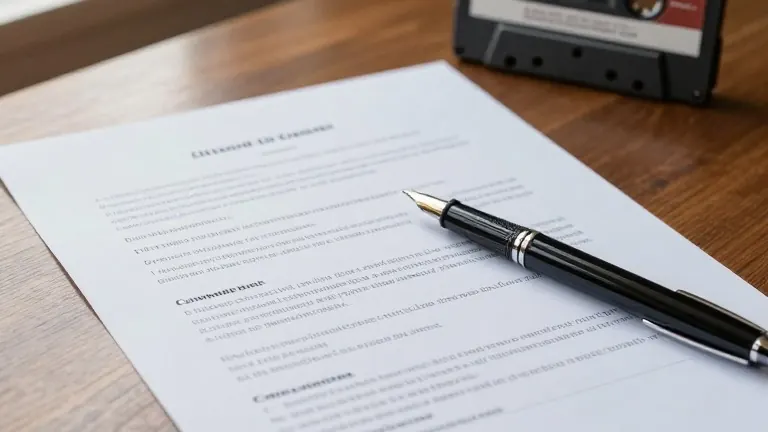
Neil Young has filed a federal lawsuit seeking $10 million in damages against the Trump 47 Committee. The complaint, lodged on October 28, alleges copyright infringement for the unauthorized public performance of his 1989 song Rockin' in the Free World.
The dispute centers on a political rally held in Youngstown, Ohio, on October 12. Young's company, Silver Fiddle Music, states that the song was played before President Donald Trump took the stage. The filing asserts that the Trump 47 Committee used the track without securing the necessary public performance license or obtaining permission from the songwriter.
This is not the first time the two parties have clashed over this specific recording. Young sued the Trump re-election campaign in 2020 for using the same song, along with Devil's Sidewalk. The lawsuit notes that the campaign settled that matter shortly after being served, with the agreement that the song would not be used without future permission.
The new five-page filing claims Trump was personally aware that a license was required for rally use. It further states that Young has not granted such a license and that the track has been played at multiple other events. In the United States, playing recorded music at campaign rallies typically requires a license from the musical work copyright holders, even if the campaign owns a legal copy of the recording.
Young, an 80-year-old Grammy Award winner, describes the song as a critique of political rhetoric. He characterizes the track as the opposite of the values President Trump espouses. The musician has been a vocal critic of the president's political stance for years.
The White House and the Republican National Committee referred inquiries for comment to the RNC. The BBC has contacted the committee for a response regarding the new filing.
Young posted a statement on his website on Tuesday, referencing the lawsuit. He noted that while Trump attended his concerts in the 1980s and 1990s, that did not constitute a license to use his music. Young wrote, "I am sorry it came to this, but money and transactions are something you understand." Other artists, including The Rolling Stones and Adele, have previously raised similar concerns about the use of their music at campaign events.
Source: Casualty
More Business · Bad Business · Report a business · Got a Story?