MIA Cuts $250 Million in Costs With New AI Cargo System
Miami International Airport launched a digital platform on October 27 to streamline 1,600 daily truck trips and reduce carbon emissions.
By Jason Cooper ·
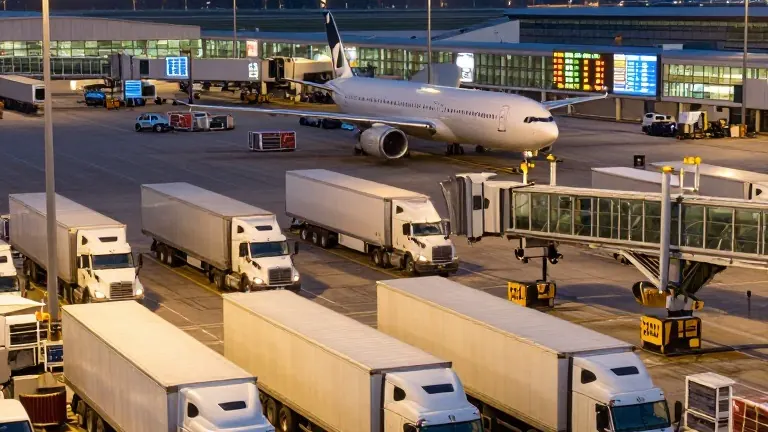
Miami International Airport launched a new AI-powered digital platform on October 27 to address congestion and inefficiency in its cargo operations. The system, known as the Airport Cargo Community System or ACCS, was announced at The International Air Cargo Association Air Cargo Forum in Miami. It is the first of its kind deployed at the world's busiest cargo hub.
The ACCS was developed by Kalé and creates a shared online portal for freight forwarders, cargo handlers, truckers, carriers, and ground handlers. Previously, cargo trucks arrived at the airport with limited information regarding arrival times and cargo types. This lack of data increased congestion, carbon emissions, and operational delays. The new platform improves information sharing, advanced planning, and truck scheduling to reduce waiting times.
MIA handled a record 3.4 million U.S. tons of freight in 2025. This volume made it the busiest freight airport in the United States and the third busiest globally, behind only Hong Kong and Shanghai. The airport currently requires a daily average of 190 cargo-only flights and more than 1,600 truck trips to manage this volume. The ACCS is designed to serve as the foundational digital infrastructure for MIA to connect with international partner airports, facilitating the flow of goods along specific trade lanes.
Kalé estimates that implementing the ACCS across MIA's cargo community will yield substantial environmental and financial benefits. Based on a 15% reduction in paper handling and an average of two hours saved in truck turnaround time, the system could save 5,900 U.S. tons of carbon dioxide emissions annually. The platform is also projected to preserve 3,000 trees and cut operational costs in the air cargo supply chain by up to $250 million each year.
Miami-Dade County Mayor Daniella Levine Cava stated that the technology makes the airport more future-ready. She noted that the system simplifies and expedites the movement of goods through the global gateway. This supports the businesses and jobs that depend on international trade. She added that the airport will remain an industry leader in efficiency and sustainability, not just in cargo volume.
Amar More, Co-founder and Chief Executive Officer of Kalé, said the research shows that cargo community systems improve collaboration and visibility across the industry. He noted that small inefficiencies can quickly grow in scale when 3.4 million U.S. tons of freight move through the airport. A common digital platform allows MIA to apply these benefits at one of the world's major cargo gateways and digitally link with the rest of the world.
MIA is the second busiest airport for international passengers in the United States. It is receiving $14 billion in capital improvements and maintenance upgrades. The airport generates $212 billion in business revenue and accounts for approximately 60 percent of all international visitors to Florida annually.
Source: Community Newspapers
More Business · Bad Business · Report a business · Got a Story?