Demuth pledges to scrap free school meals if elected Minnesota governor
The GOP candidate argues that universal nutrition funding is inefficient, citing data on high-income households and the program's massive cost.
By Allison Singh ·
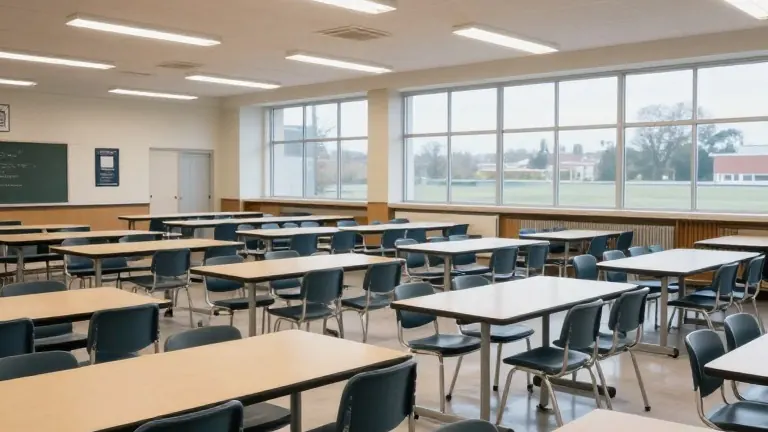
Since 2023-24, the state has distributed more than 450 million free meals to 820,000 K-12 students.
Rep. Lisa Demuth, the Republican nominee for governor, intends to terminate this universal school meals program if she wins the upcoming election. She made the pledge during a recent appearance on The Jay Thomas Show on WDAY in Fargo. Demuth has generally kept policy details vague during her campaign, focusing instead on combating fraud. This specific proposal marks a shift toward detailed economic platform points.
The universal school meals program began under the administration of Gov. Tim Walz. It expanded access to food in schools by removing income eligibility requirements. Demuth argues that the current funding structure places an undue burden on the state’s tax base. She believes the system allows for a misallocation of public resources.
During the interview, Demuth stated that families with seven-figure incomes should not receive free lunches paid for by lower and middle-class taxpayers. She called the arrangement illogical. According to 2024 figures from the Minneapolis-St. Paul Business Journals, 13,000 Minnesota taxpayers reported earnings exceeding $1 million. The data suggests that a portion of the program’s beneficiaries come from high-earning households.
The program currently serves a broad segment of the student population. The 450 million meals served since the start of the 2023-24 school year represent a substantial volume of food distribution. Ending the program would likely shift the cost back to families or reduce the number of students receiving free food at lunch.
Election week also brought other administrative developments. The Department of Justice announced plans to send 1,000 monitors to all 50 states, including Minnesota, to oversee the voting process. County officials noted that these monitors will follow the same access rules as other members of the public. They will not be permitted to observe from inside polling places.
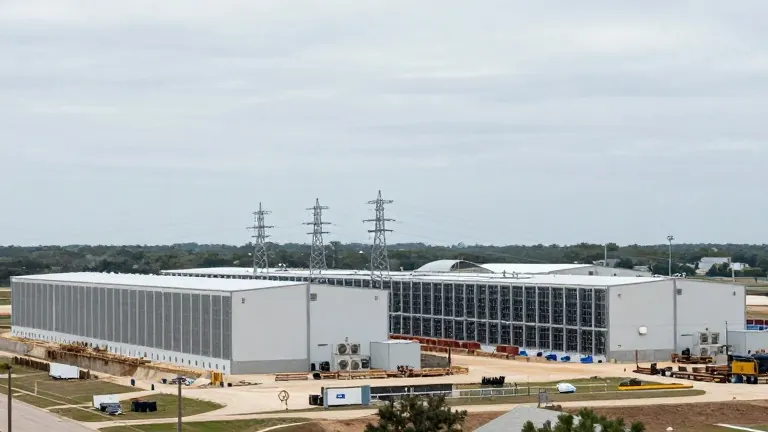
In the Twin Ports region, a proposed Google data center in Hermantown remains a point of contention. The city council voted to approve the project on Friday night, despite majority opposition from public speakers. The facility is expected to consume approximately 500 megawatts of power. This output is equivalent to the electric usage of all homes in Minneapolis, St. Paul, Duluth, and Rochester combined. Three lawsuits challenging the environmental review of the site are still pending.
Federal officials traveled to St. Cloud last week to highlight arrests related to Medicaid fraud. Treasury Secretary Scott Bessent, CMS Administrator Mehmet Oz, and FBI Director Kash Patel addressed the media regarding four providers charged with defrauding the program of $41 million. Bessent also responded to a question about the federal government’s purchase of the Appleton prison. The property was bought for nearly $500 million, a figure that stood in contrast to a previous $75 million offer to the state.
The University of Minnesota is collaborating with the Minnesota Department of Transportation on a new initiative. The goal is to determine if prairie willow and other hardy species can survive alongside highways. The plants are intended to reduce air pollution from traffic. The project addresses the difficulty of establishing vegetation in the harsh conditions near state roads.
Source: MinnPost
More Business · Bad Business · Report a business · Got a Story?