Apple Debuts Touch MacBook Pro
Pricing starts at $2,899 for the 14-inch model, which retains standard keyboard controls while adding optional screen interaction.
By Hugo Konate ·
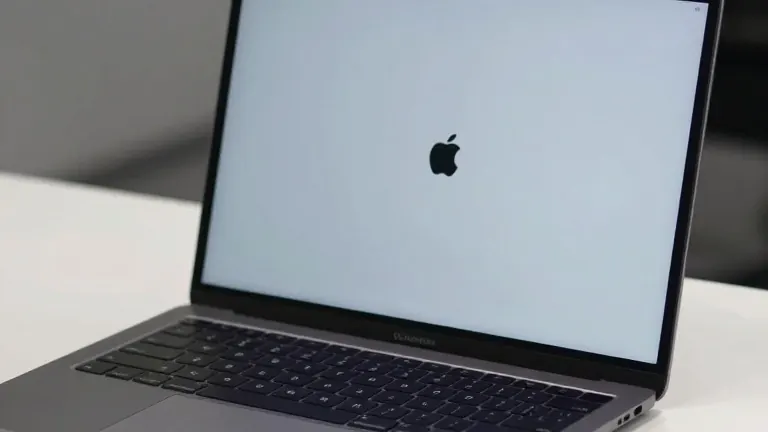
Apple unveiled its first laptops with touchscreen capabilities on Wednesday during an event in Los Angeles. The new machines, designated as MacBook Pro with ProLED XDR Display, mark a shift in the company's hardware design. They replace the traditional notch with a hole-punch cutout in the display, mirroring the design language of recent iPhones.
The primary function of the new interface remains optional for the user. Apple confirmed that the devices run on macOS, not iPadOS or iOS. Users can continue to operate the computers entirely through the physical keyboard and trackpad. The visual interface of the operating system remains largely unchanged from previous versions.
Apple implemented a system that converts touch taps into traditional clicks for compatibility. This ensures that existing software, including applications from Microsoft and Adobe, will function on the new hardware without requiring immediate updates. The company stated that developers will have the option to enlarge buttons and touch targets to improve usability on the glass surface.
The hardware includes specific engineering to support the new input method. Apple introduced a new hinge design intended to minimize screen vibration when a user touches the display. This feature aims to reduce camera shake during video calls. The company also applied an oleophobic coating to the screens to resist fingerprints, a treatment that appeared effective during initial testing.
Pricing for the new lineup starts at $2,899 for the 14-inch model. The larger 16-inch version begins at $3,399. These price points position the devices at the high end of the laptop market. The cost reflects the inclusion of tandem OLED display technology, which offers deeper blacks and higher contrast than previous Apple screens.
The display improvements target professional creators who require accurate color representation for photo and video editing. While the visual quality is enhanced, the difference from past MacBook models is subtle for general users. The new screens also support a Dynamic Island feature, which expands to display live activities and Siri interactions.
A distinct visual change appears on the exterior of the device. The Apple logo on the lid now illuminates when the computer is powered on. This is the first time the feature has appeared on an Apple laptop since the 2017 MacBook Air. The lit logo provided a clear visual indicator of the machine's status for observers at the event.
Accessibility features are integrated into the new touch system. Users can pinch to zoom on any part of the user interface, a function that expands the utility of the screen for individuals with specific needs. The addition of touch capability also offers a practical benefit for iPhone app developers. They can now test their applications on the Mac platform directly, bridging the gap between mobile and desktop development environments.
Source: CNBC