Student protests: French government offers education package to stem unrest
Student leaders rejected a new set of proposals Monday, citing unmet demands, while President Macron prepared for further clashes ahead of a major nationwide protest day.
By Jason Cooper ·
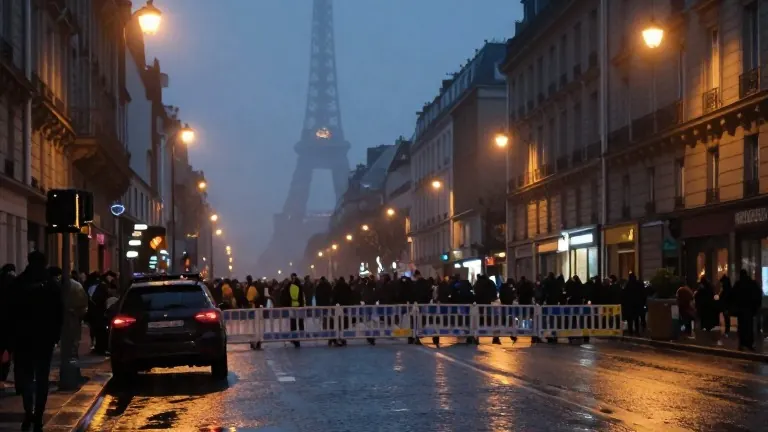
French student leaders rejected a government package of education proposals on Monday, stating the measures did not go far enough to satisfy their demands. The group vowed to continue demonstrating until their core requests are met, signaling that the current wave of street protests will likely persist despite official efforts to de-escalate the situation.
The government presented the new measures following a meeting with student representatives. The package includes caps on class sizes for certain subjects, loans for school renovations, and the replacement of a university admissions system that students viewed as unfair. Louis Letoublon, a representative for high school students, emphasized that the agreement was incomplete. "Not all our demands were met. We'll go on for as long as it takes," Letoublon said.
Government officials have not yet issued an immediate confirmation of the specific terms. A press conference intended to announce the details was delayed, leaving the public without a formal breakdown of the policy changes. There are also no immediate details regarding the total funding required for the education package.
Financial constraints complicate the government's ability to implement new spending. President Emmanuel Macron leads a minority government with national debt approaching 120 percent of GDP. High borrowing needs are already making it difficult to agree on a budget for next year, limiting the fiscal room available for new initiatives.
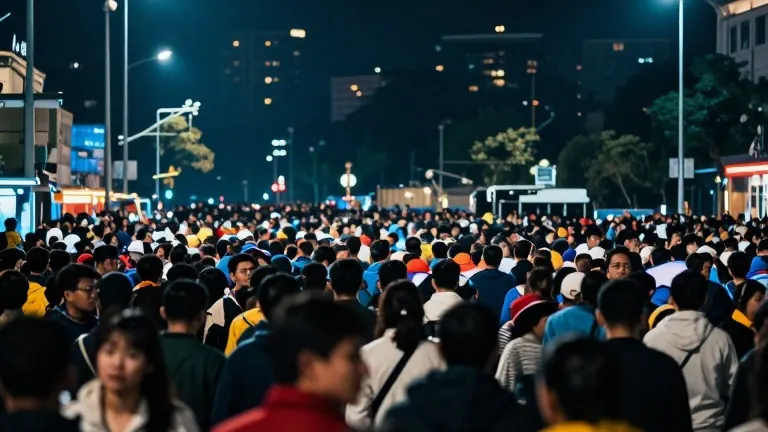
The unrest has shown little sign of easing after nine days of violence that engulfed dozens of cities. Initial student discontent has expanded to draw in trade unions and yellow vest activists. These groups, known for high-visibility jackets, have joined the demonstrations to protest economic pressures such as high fuel costs. The expansion of the movement has raised fears that the state may have lost control of the streets.
Macron acknowledged the likelihood of further unrest this weekend. He stated this was expected ahead of a larger nationwide day of protests scheduled for November 5. During a tour of Marseille to survey damage and thank emergency services after Saturday's demonstrations, Macron said he would maintain security measures. He also expressed a desire to move future protests outside of city centers.
The persistent instability has impacted the political landscape. The sense that authorities are struggling to maintain order has boosted the poll ratings of Marine Le Pen, the far-right candidate and frontrunner for next year's presidential election. An opinion poll published Sunday placed Le Pen at 32 percent to 33.5 percent of the vote. Her nearest rival, hard-left leader Jean-Luc Melenchon, trails at 17 percent. Surveys indicate Le Pen would easily defeat Melenchon in a run-off ballot expected in early May.
Interior Minister Laurent Nunez reported that 1,435 people were arrested nationwide during Saturday's demonstrations. Nunez noted a new phenomenon in which organized far-right gangs confronted far-left activists in several cities. "We knew there had been calls from numerous identity-based and nationalist movements to come out, officially, to defend businesses," Nunez said. He added that in cities like Nice and Montpellier, these groups arrived in organized formations primarily to target the ultra-left movement.
Financial markets reacted to the political tension, with a selloff in French government bonds pausing on Monday. This pause followed Friday's announcement that rating agency Moody's spared the country's sovereign debt from a downgrade. Despite the calmer weekend, business leaders reported ongoing economic damage. Alain Di Crescenzo, head of the CCI France network of chambers of commerce, stated that many retailers remained closed as a precaution after the violence of October 17. He noted that sales had fallen by about 80 percent. "We have shopkeepers who are tired and demoralized, and we are killing local commerce," Di Crescenzo told Radio Classique.
Source: The Jerusalem Post