SpaceX Shares Rally on $14.6 Billion Quarter and Aggressive AI Expansion Plans
Wall Street analysts sharply raised price targets on SpaceX after the company beat earnings estimates and outlined massive capital expenditures for AI infrastructure.
By Jason Cooper ·
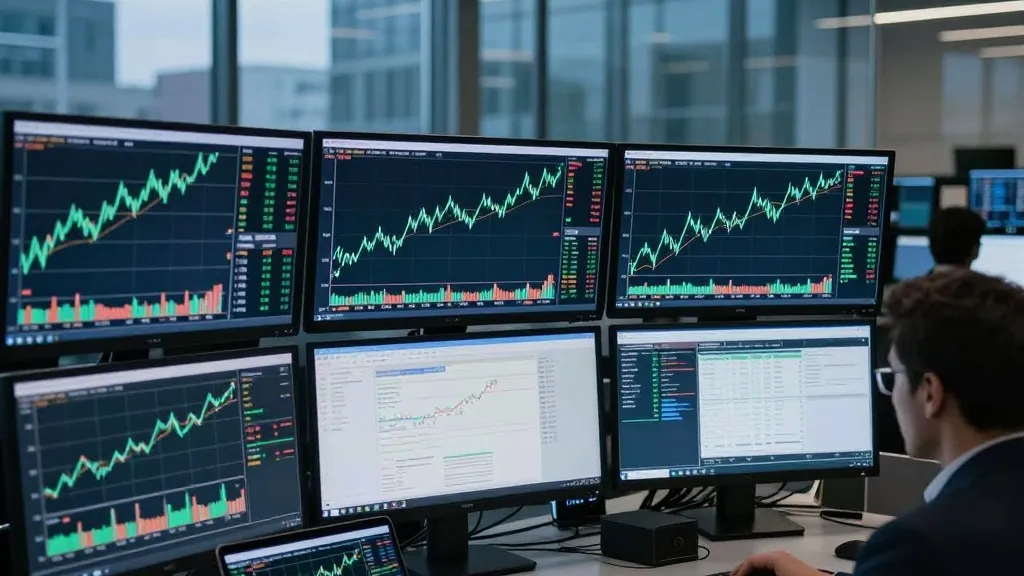
The tension in the market this morning revolves around a stark divergence between past expectations and current reality. After the close on Tuesday, October 20, SpaceX (NASDAQ: SPCX) released third-quarter results that did not merely meet forecasts but significantly shattered them. This performance triggered a rapid reassessment by Wall Street, with analysts scrambling to adjust their valuations upward. The immediate market reaction was tangible, with the stock closing at $147.79 on Tuesday and jumping roughly 8 percent in early premarket trading on Wednesday, October 21, as investors digested the new data and the elevated targets.
The core of the bullish revision lies in the company’s top-line performance. SpaceX reported revenue of $14.6 billion, marking a 161 percent year-over-year increase. This figure comfortably exceeded the consensus estimate, which had hovered near $12.7 billion. Beyond revenue, the company swung from a loss in the prior year to a net profit of $4.4 billion. Adjusted EBITDA also reached a substantial $8.8 billion, signaling a shift toward robust profitability that had not been as clearly established in previous quarters.
A significant driver of this growth was the Super Intelligence division, which emerged as the largest revenue contributor. This segment generated approximately $7.6 billion, a nearly 830 percent surge year-over-year. Meanwhile, the Connectivity segment delivered $5.2 billion in revenue, fueled by strong subscriber additions that expanded the Starlink consumer base to 13.6 million users. The earnings call further highlighted progress in Starship’s orbital capabilities, including recent successful deployments of V3 satellites, alongside rapid adoption of the Grok Bot and plans for spectrum expansion.
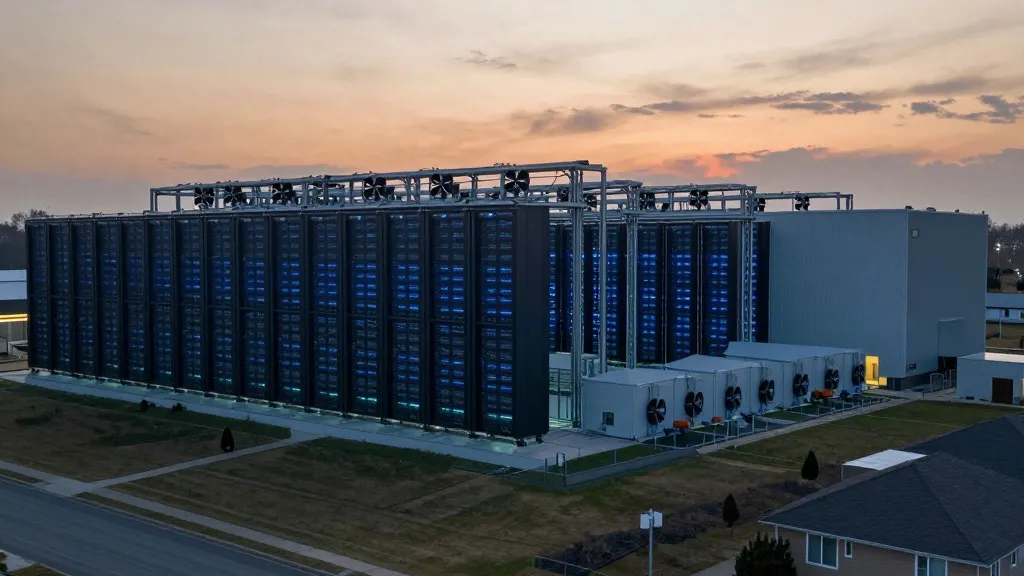
However, the most catalytic moment for analysts appeared to be the forward-looking guidance provided by CEO Elon Musk and CFO Bret Johnsen. The company outlined first-quarter 2027 revenue guidance of $33 billion to $37 billion. This range was far above the roughly $22 billion that analysts had previously modeled, suggesting a steep acceleration in growth that many had not fully priced in. The guidance was accompanied by aggressive capital expenditure plans for the fourth quarter, estimated between $35 billion and $40 billion, primarily focused on AI compute infrastructure at sites in Memphis and Southaven.
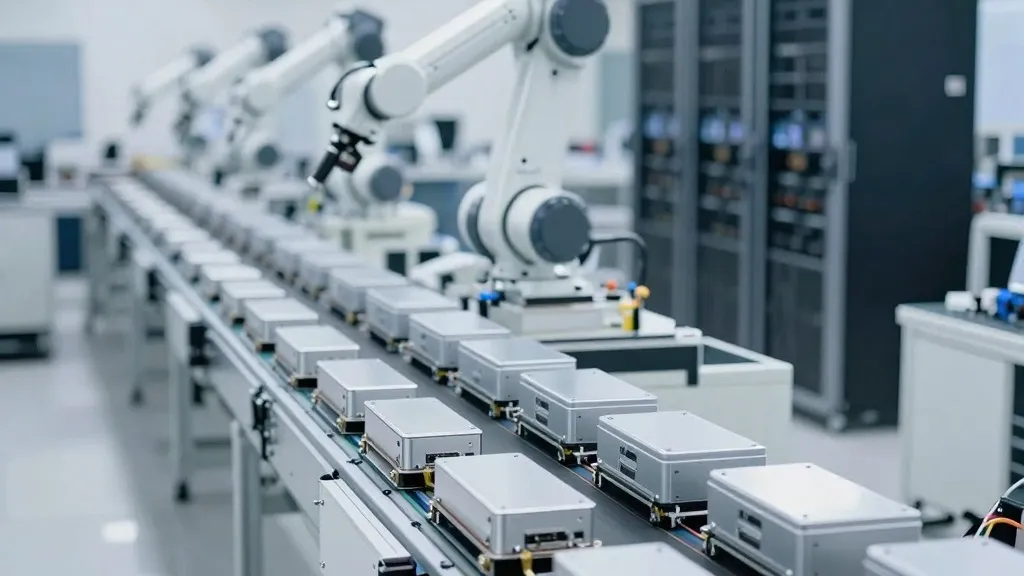
Management’s targets for this infrastructure are ambitious, aiming for 2.5 to 3 gigawatts of nameplate compute capacity by the end of the current year. They discussed pathways that could reach 13 gigawatts or more by the end of 2027. Musk described the demand from hyperscalers and other customers as relentless, noting that current compute pricing supports payback periods of less than a year, with some scenarios as short as six months. These claims have prompted a wave of price-target increases across major financial firms.
The magnitude of the analyst revisions is notable, with JPMorgan more than doubling its target to $500 from $240 while maintaining an Overweight rating. Other significant adjustments include Cantor Fitzgerald lifting its target to $345 from $246, Barclays raising its target to $300 from $254, and Wells Fargo moving its target to $274 from $214. Clear Street adjusted its target to $248 from $217, while Citi increased its target to $240 from $200. UBS moved its target to $230 from $210, and TD Cowen raised its target to $224 from $200. Morgan Stanley held an Overweight rating with a $300 target.
Analysts broadly cited the strong quarterly print, the accelerating AI compute expansion, Starlink progress, and Starship milestones as the primary drivers for these higher long-term growth and earnings power projections. The formation of special committees to explore a possible combination with Tesla was also noted as a significant development. This move suggests a strategic consolidation that could further integrate SpaceX’s capabilities with its automotive counterpart, adding another layer of complexity and potential value to the investment case.
Despite the optimism, caveats remain. The elevated spending levels, particularly the massive capital expenditures for AI infrastructure, continue to be a point of focus for investors. The ability to sustain such high growth rates and manage the associated costs will be critical in determining whether the revised price targets hold up over time. The average analyst price target has moved higher, reflecting greater conviction in SpaceX’s trajectory across launch, connectivity, and the Super Intelligence business. Yet, the gap between the previous consensus and the new guidance is so wide that it invites scrutiny on the execution risks involved.
As the market moves forward, the key question is whether SpaceX can maintain the momentum suggested by these numbers. The combination of record revenue, strong profitability, and aggressive expansion into AI compute sets a high bar for future quarters. The market’s initial response has been positive, but the coming months will test the durability of this growth and the realism of the ambitious capacity targets outlined by management.
Source: Teslarati · original report published
More Business · Bad Business · Report a business · Got a Story?