Space Industry Tensions: SpaceX Rejects Military Deals as Spain Nears Milestone
SpaceX turns down three US Space Force contracts while a Spanish rocket maker approaches its final integration phase.
By Hugo Konate ·
The launch industry faces a moment of divergence this week. On one hand, the dominant player in commercial spaceflight is stepping back from government work. On the other, a smaller European competitor is inching closer to its first orbital attempt. These developments highlight the shifting dynamics between private ambition and public sector demand in the global space race.
SpaceX has formally declined three launch contracts offered by the United States Space Force. The company communicated its decision to the military branch, effectively passing on the opportunities. This move stands out because SpaceX has long been a primary provider for military payloads. The rejection signals a strategic choice to prioritize other areas of its business portfolio. It remains unclear if the contracts will be re-offered to other providers or if the military will adjust its procurement strategy.
In related news, a NASA safety panel reviewed the logistics of SpaceX’s Starship program. The panel indicated that a lunar landing mission could require up to 22 refueling cycles in orbit. This high number of in-space refuelings presents a significant technical challenge. It underscores the complexity of sending large payloads to the Moon using the current vehicle design. Engineers must now validate that the system can handle such a lengthy and precise sequence of operations.
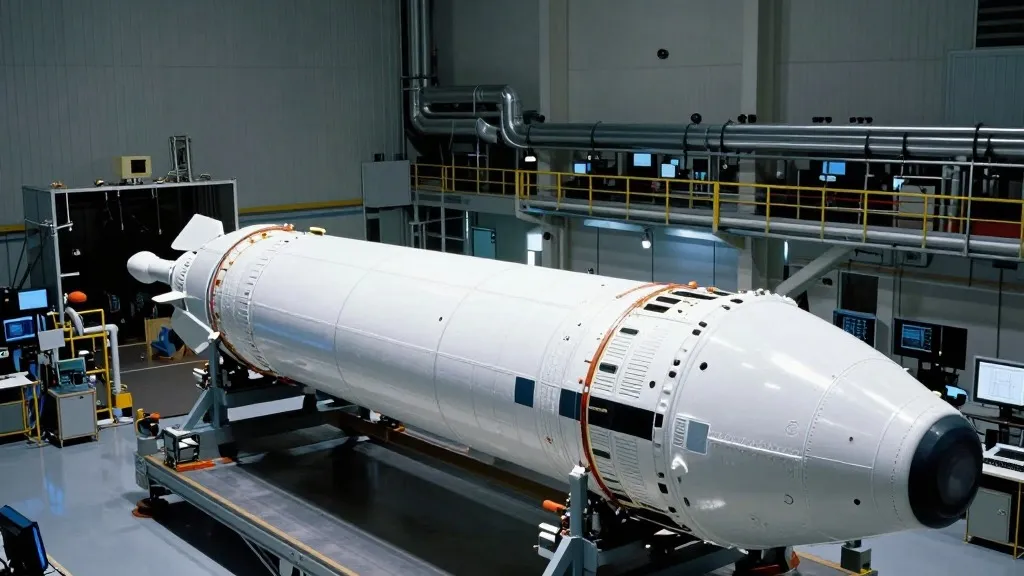
Across the Atlantic, PLD Space is making steady progress with its Miura 5 rocket. The company stated that the vehicle is nearing final integration. This small-lift rocket is scheduled for its inaugural flight before mid-2027. CEO Raúl Torres noted that the team has already manufactured three of these vehicles. Two were used to qualify key system elements, while the third is the dedicated launch vehicle. This approach allows the team to apply lessons learned from testing directly to the final product.
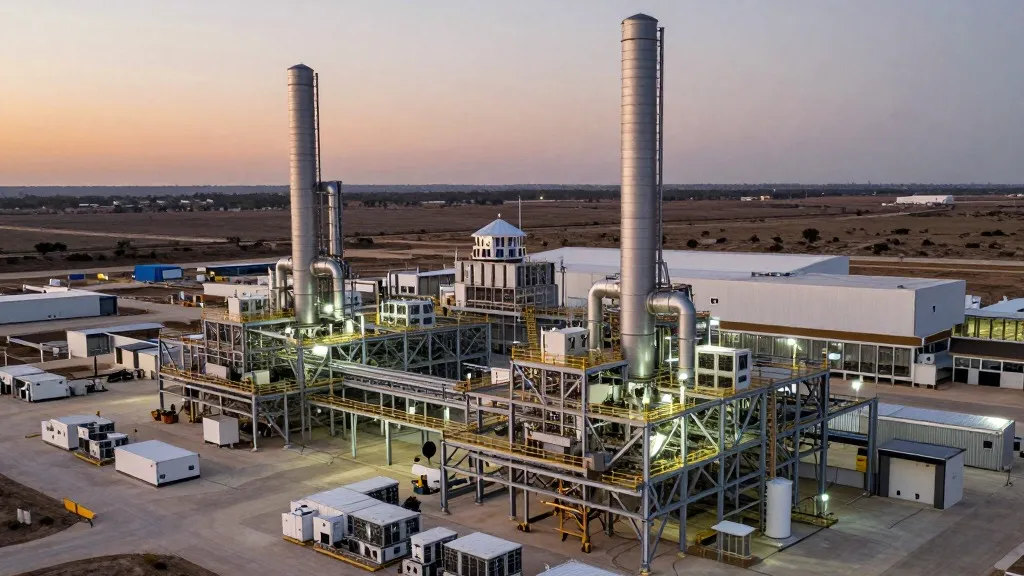
Currently, one Miura 5 second stage is fully integrated at the company’s test facility in Teruel. It is undergoing system-level testing under conditions that mimic actual operations. The qualification campaign includes a wet dress rehearsal and a static hot-fire test. These steps are critical to ensuring the rocket is ready for its debut. The continuous workflow between manufacturing and testing has streamlined the development process for the team.
Meanwhile, Canadian startup Reaction Dynamics is looking to expand its capabilities significantly. The company is seeking to raise $350 million in new funding. This capital injection aims to grow its workforce from 68 employees to more than 350. Reaction Dynamics is developing the Aurora small-lift rocket, with a target orbital debut in 2028. Additionally, the company announced plans for a medium-lift rocket called Borealis, which is targeted for a debut by 2031. This expansion reflects the growing interest in new entrants to the launch market.
The coming months will be crucial for these companies. SpaceX must manage its internal priorities while navigating its relationship with the US military. PLD Space needs to successfully complete its hot-fire tests to stay on schedule for 2027. Reaction Dynamics faces the challenge of securing funding and scaling its operations quickly. The space sector continues to evolve with rapid pace, driven by both established giants and emerging challengers.
Source: Ars Technica · original report published