Madison Council Members Used Signal, Raising Questions About Local Openness
Eight of twenty city councilors participated in a group chat with disappearing messages enabled, a practice that complicates public records requests.
By Hugo Konate ·
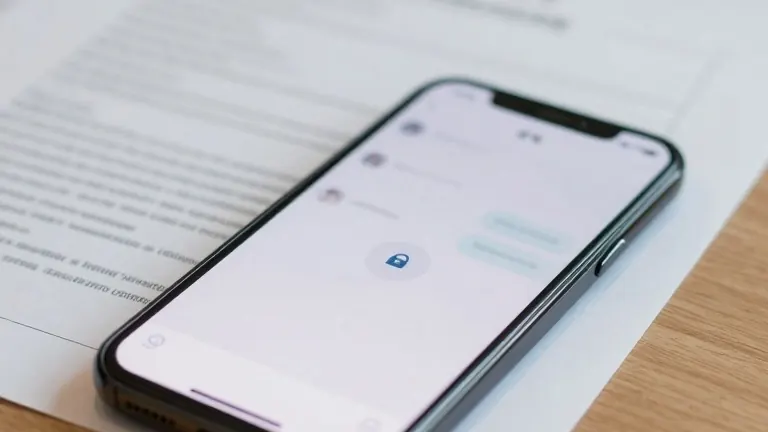
Residents of Madison, Wisconsin, face a new layer of opacity in local government as eight of the city’s twenty Common Council members used the Signal messaging app to communicate over the last several years. Unlike standard email or text messages, which remain stored and accessible under open records laws, Signal messages can be permanently erased once deleted. This technical feature means that if council members discuss city business in a private group chat, the public may lose the ability to review those conversations entirely.
The app’s nonprofit developers design the platform to store no messages or user data on a central server. Once a message is deleted, it vanishes from all devices. The application also offers a disappearing messages function that automatically removes content after a set time. While journalists and organizers often use Signal to protect sources and coordinate events, its privacy features create a unique challenge for elected officials who are subject to public scrutiny. The tool is built for secrecy, which can conflict with the transparency expected of public servants.
Robert Chappell, executive editor of Madison365 and Blueprint365, reported that he became aware of a Signal group containing eight current council members a few months ago. Screenshots he received showed that as many as twelve council members had participated in the chats at various points. The member who founded the group instructed participants to turn off the disappearing messages setting and warned against discussing city business. All members who responded to Chappell’s inquiries stated that the group was used only for social planning, sharing news articles, vacation photos, and recipes.
Despite these assurances, the technical history of the group suggests familiarity with the app’s privacy tools. Over an eighteen month period, several council members adjusted the timer for disappearing messages, setting them to delete after one day or one week. This activity indicates that the members knew how to use the function and actively managed it. Because the messages are gone, neither Chappell nor the general public has a mechanism to verify whether the disappearing messages feature was enabled during specific discussions.
Under Wisconsin law, strictly personal emails and texts can be withheld from disclosure, but the records themselves still exist. If a requester disagrees with a refusal, they can take the matter to court, where a judge can inspect the existing messages and compel their release if appropriate. With Signal, that judicial safety net disappears once the data is erased. The council members are not breaking the letter of the law, but the platform creates a situation where the public must rely on trust rather than verification to know what was discussed.
Chappell argues that local elected officials should avoid even the appearance of secrecy. He suggests that council members use standard text messages for social coordination, reserving Signal for those with specific professional reasons to need high-level privacy. The revelation of the group chat adds to a climate where trust in local institutions is already low, forcing residents to question how their representatives communicate when they are not in public view.
Source: Wisconsin Watch