Indian Cartoonists Face Repeated Instagram Blocks Under IT Rules
Satish Acharya and Manjul report unexplained restrictions on their profiles, a move critics link to a surge in legal content orders.
By Allison Singh ·
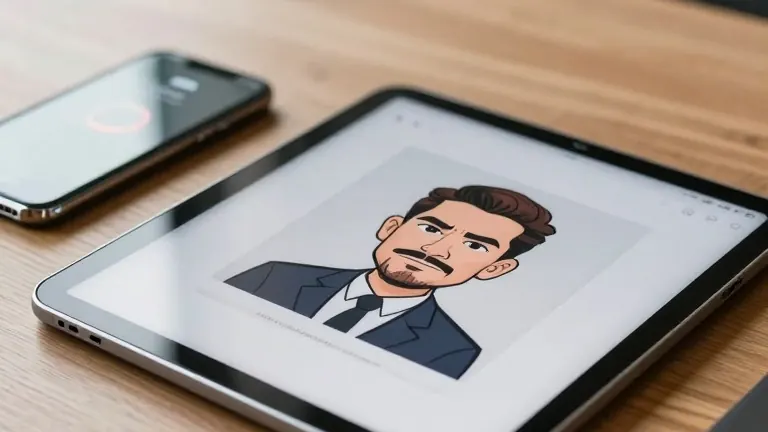
Indian cartoonists Satish Acharya and Manjul have reported that their Instagram accounts were blocked or restricted within India this week. For the second time in three weeks, Acharya found his 55-year-old profile invisible to domestic users. His account was inaccessible from Tuesday until it was restored later in the week.
Acharya states that his profile was first restricted from September 28 to October 6. During that period, Indian users could not locate his profile through search or via direct web links. Viewers saw a message indicating the profile was unavailable under India's Information Technology Rules. Acharya told the BBC that he wrote to Meta, the parent company of Instagram, but received no reply. He was preparing to file a lawsuit when the account was restored in early October, only to be blocked again earlier this week for three days.
Manjul experienced a similar issue just weeks earlier. Instagram restricted a post he published criticizing the Election Commission of India. The controversy centered on the revision of voter rolls, a process that removed 130 million names. While Manjul's profile remained accessible, the restriction on his specific content raised questions about the scope of platform enforcement.
Meta issued a statement to the BBC explaining that it may temporarily restrict accounts to comply with India's IT Rules. The company did not specify the reasons for restricting Acharya's account or Manjul's post. Meta declined to comment on assessments by policy experts regarding its compliance practices.
Critics argue that these restrictions align with a trend of increased legal orders for content removal. Technology policy expert Prateek Waghre noted that the government is using such orders to regulate online content. According to a report by the Indian Express, government agencies sent nearly 195,000 blocking and content-restriction orders to platforms like Instagram, Facebook, and YouTube between March and July. These orders were processed through the federal government's Sahyog portal. The figures, obtained via a right-to-information request, do not specify how many posts were ultimately removed.
The government has reportedly asked Meta to ensure its recommendation systems do not steer users toward limited narratives. Authorities also requested strengthened checks on content that could cause public disorder or incite violence. The BBC has sought comment from India's IT ministry on these reported instructions but has not received a response. Meanwhile, the Prime Minister's party has urged ministers to strengthen their online presence to connect with younger audiences.
Cartoonists view these digital restrictions as part of a longer history of challenges to political satire. Sandeep Adhwaryu, a cartoonist for a leading Indian newspaper, described artists as the default opposition. He noted that the nature of the craft is to oppose those in power. Acharya added that he previously faced less official restriction under previous governments. Now, with the BJP in power, his satire targets the current administration. He stated that he never faced official restrictions during the previous administrations, though occasional trolling occurred.
Independent creators rely heavily on social media to reach audiences without traditional media support. Manjul said that their lack of association with newspapers allows them to draw freely. However, this independence creates a vulnerability to platform decisions. Rachita Taneja, creator of the Instagram comic Sanitary Panels, described social media as a double-edged sword. She noted that Meta's compliance with government requests reflects commercial priorities. Adhwaryu compared satire to a shape-shifting virus that mutates in response to its environment, predicting it will find a way to continue.
Source: BBC News