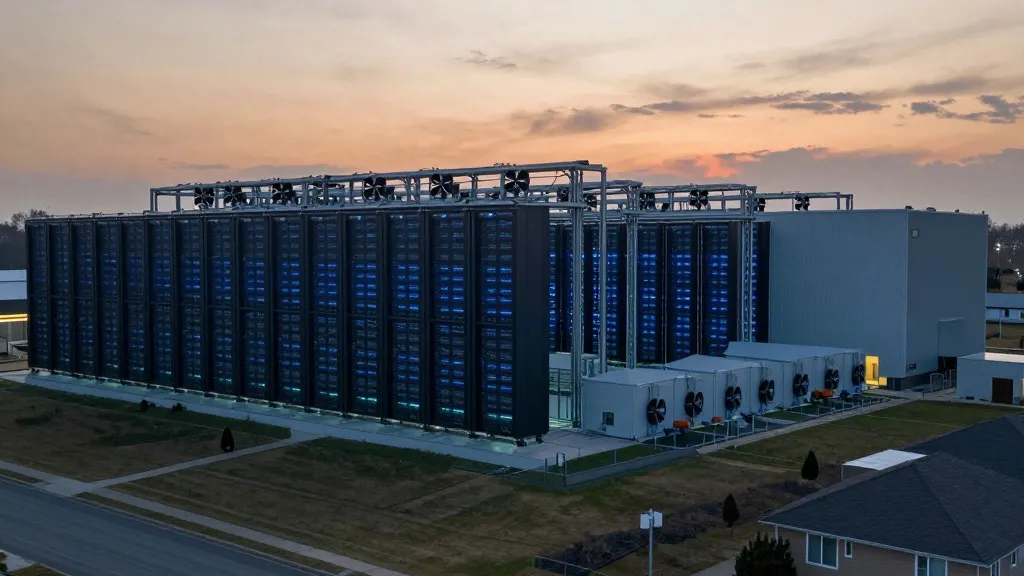
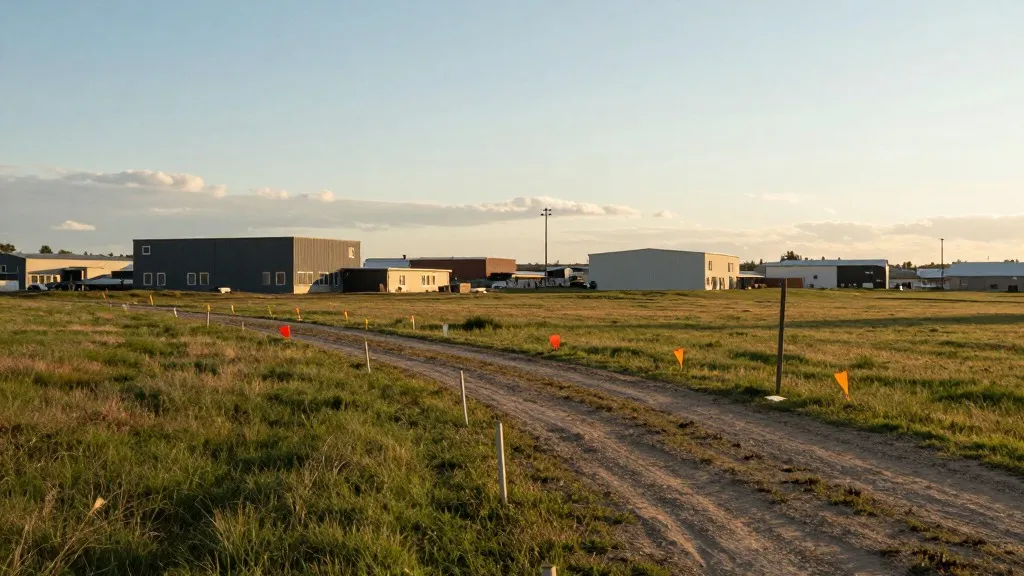
1,300 Acres of Forest Vanished: How Google’s AI Expansion Displaced Wolves Into Finnish Villages
Regulators have halted construction on unauthorized data center sites after the removal of nearly 1,300 acres of woodland forced local wolf packs to seek shelter in nearby residential areas.
By Allison Singh ·
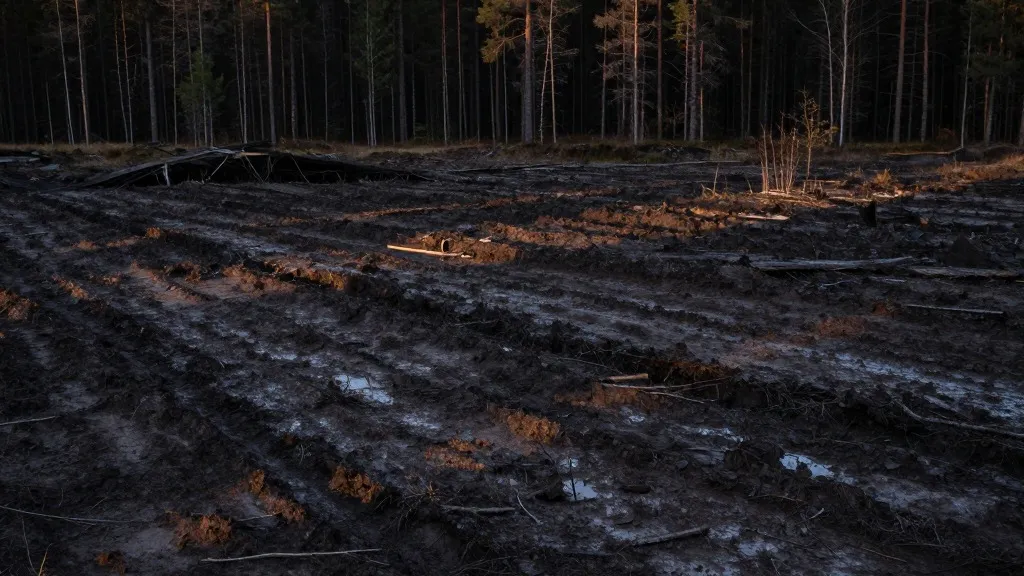
The destruction of approximately 1,300 acres of forest near the Finnish villages of Muhos and Otanmäki has resulted in the displacement of local wolf populations, forcing the predators to roam into neighboring residential areas. This significant ecological shift follows a period of aggressive land clearing by the American technology giant Google, which has been building new artificial intelligence data centers in the region. The loss of habitat has turned dense woodland into open expanses of mud, fundamentally altering the landscape that supported local wildlife for generations.
The scale of the land conversion is substantial, with 816 acres of forest near Muhos specifically noted as having been transformed into a muddy expanse. Additionally, roughly 500 acres of forest located 55 miles southeast of Otanmäki were cleared during the construction phase. These figures represent a significant portion of the local green space, a loss that has drawn sharp criticism from environmental groups and local residents alike. The physical change has been immediate and visible, leaving behind man-made wastelands where trees once stood.
The primary figure in this dispute is Google, the search and AI leader responsible for the development. The company’s Finland country manager has issued an apology for the unauthorized clearings, acknowledging the impact on the local environment. However, the company’s approach has been described by local representatives as riding roughshod over regulations in a rush to establish its AI infrastructure. The conflict has extended beyond environmentalists to include local families who now face direct safety concerns due to the presence of wild animals in their villages.
Anni Ranta, a 53-year-old resident of Otanmäki whose family has lived in the area for generations, highlighted the immediate consequences of the habitat loss. She explained that wolves began entering the village because all the wild animals moved out of the forest. Ranta also expressed a secondary fear that the presence of U.S.-owned data centers could make Finland a more attractive target for Russian aggression, adding a geopolitical layer to the environmental dispute. Her comments underscore the broad range of anxieties now prevalent in the community.
Local residents have reported a variety of issues stemming from the construction activities. Beyond the arrival of wolves, there are complaints regarding persistent construction and factory noise, streams turning brown due to runoff, and rare bird species being pushed out of the area. These side effects have been cited as evidence of the strain the project is placing on the local ecosystem. The accumulation of these grievances has fueled ongoing anger in the region, with many feeling that the speed of development outpaced proper environmental safeguards.
The Finnish Association for Nature Conservation (SLL) indicated that Google’s flouting of environmental policy has been unprecedented and clear. In response, the Finnish Licensing and Supervision Authority (LVV) issued an order for Google to cease work at the sites near Muhos and Otanmäki. This regulatory action follows earlier notices given to the company to stop construction activities in Muhos and Kajaani. The intervention by LVV signals a firm stance from Finnish authorities against unauthorized development, marking a significant moment in the country’s oversight of major tech infrastructure projects.
Despite the regulatory halt, a Google spokesperson maintained an optimistic tone regarding the future of the project. The representative stated that the company will fully comply with LVV’s requests and looks forward to maintaining an active, open dialogue with authorities to strengthen its partnership with Finland and local organizations. This response suggests that Google is banking on the long-term business benefits of the data centers to sway government and regulatory bodies, hoping to resume operations once the current disputes are resolved through negotiation.
The situation highlights a growing tension between the rapid expansion of AI infrastructure and local environmental preservation. As data center developers target various locations globally for new facilities, the case in Finland serves as a cautionary example of the potential ecological and social costs. For now, the work remains paused, leaving the displaced wildlife and the surrounding communities to navigate the changed landscape while negotiations continue between the tech giant and Finnish regulators.
Source: Tom's Hardware · original report published