US Eases Some Tariffs on Canadian Goods Two Weeks Before Midterms
The White House will ease its 50% tariffs on certain Canadian products from 30 October, a move first announced by a Republican senator facing a tight re-election race in Maine.
By News Media House Staff ·
The Trump administration plans to ease some of its 50% tariffs on Canadian goods, about two weeks before the US midterm elections. The change follows claims from a Republican Senate candidate that she had pressed for relief.
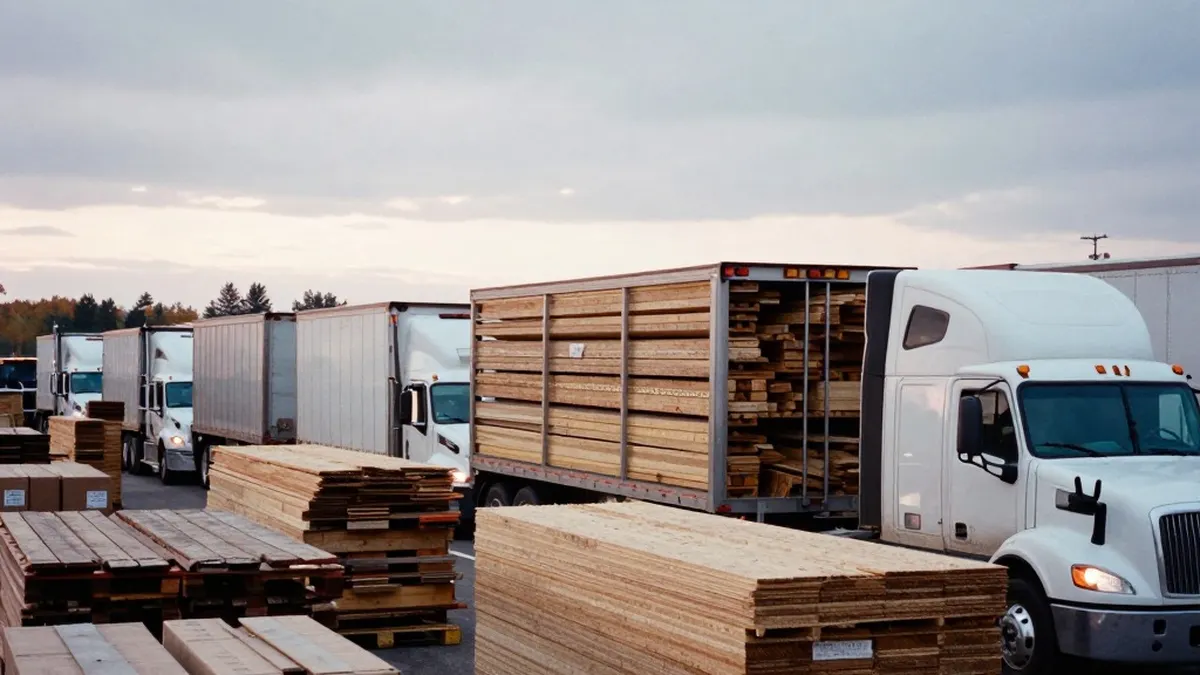
According to the White House, the adjustments take effect on 30 October. Products covered include plywood sheets, some paper products, certain machinery and refrigeration equipment. Some packing crates and boxes are also among the items getting relief.
Not every change is a reduction. The White House said tariffs would be introduced on other goods, such as carpets and "waste products". It described the overall action as reflecting President Donald Trump's "continued efforts to defend American workers and ensure fair trade". Spokesman Matthew Middleton said Trump "continues to address Canada's discriminatory treatment of US commerce".
Senator Susan Collins of Maine, who is in a close race to hold her seat, was the first to announce the exemptions. She said they would help her state's agriculture industry, and wrote on X that the products were "crucial to Maine's agricultural industries, including blueberry, potato, apple, and seaweed producers". Collins said she had repeatedly asked senior administration officials for relief and would keep working with them on additional measures and a broader agreement with Canada, which she called "our neighbour, ally and largest trading partner".
Her Democratic challenger, Troy Jackson, was dismissive. He said Trump's trade wars had made life harder and more expensive for Mainers, and accused Collins of enabling the "chaos" and voting to confirm those behind it. In his words, she now "wants credit for bringing a cup of water to put out the fire".
The US imposed the 50% levy on $20bn worth of Canadian goods after trade talks between the two countries collapsed in August. Trump cited what he called "unequal treatment" of US car, dairy and alcohol exports. Canada responded with a series of countermeasures. Last month, Prime Minister Mark Carney matched the US tariffs "dollar for dollar", saying they were "necessary to protect our workers".
Canada's internal trade minister, Dominic LeBlanc, said Ottawa was assessing the latest steps but stood ready to work "constructively and in good faith towards a more mutually beneficial trading relationship that respects Canada's interests". On Thursday, LeBlanc confirmed that a delegation met members of the Canada-United States Economic Relations Advisory Committee, the ninth such meeting since April 2026.
Maine borders the Canadian provinces of New Brunswick and Quebec, and its economy, like those of other border states, is closely tied to Canada. Those states have felt the effects of the months-long trade war. In Michigan, Republican lawmaker Mike Rogers has called on Trump to end the standoff, after spending months backing the policy in advertisements airing in his trade-reliant state.
Trump said on Friday that Canada was "working very hard" on a trade deal with the US. Carney, who has pursued closer ties with Europe since the tariff dispute began, said Canada was open to an agreement but prepared to wait. "We could sign it this afternoon if the US were there," he said, according to CBC. He added that if a proper deal takes months, longer, or another administration, "we will do that".
Source: BBC News