Iran launches over 1,000 attacks on Iraqi Kurdistan since February
A retired US intelligence officer says the region lacks air defenses and faces pressure from Baghdad and Tehran while hosting Iranian Kurdish opposition groups.
By Jason Cooper ·
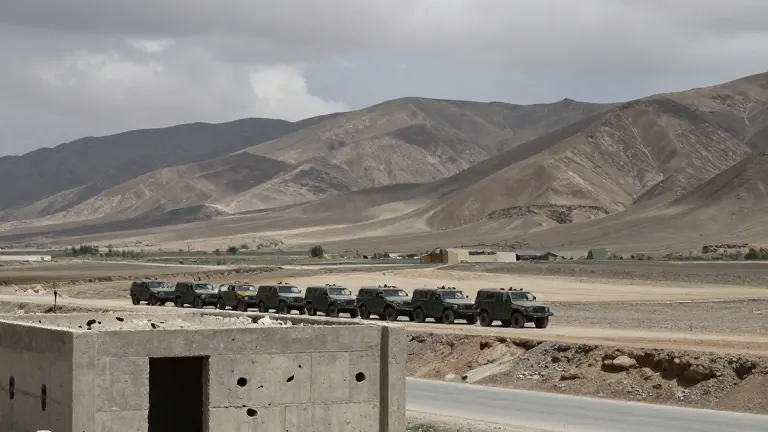
More than 1,000 drone and missile attacks have struck the Kurdistan Region of northern Iraq since February 2026. The offensive began when the United States and Israel commenced airstrikes on Iran. Rick Francona, a retired US Air Force intelligence officer, told The Jerusalem Post that these strikes target the region because Iranian Kurdish opposition groups have long operated from there.
Francona, who held assignments at the National Security Agency, Central Intelligence Agency, and Defense Intelligence Agency, noted that the Kurdistan Regional Government lacks adequate air defenses. He attributed this gap partly to Baghdad failing to supply the region with necessary equipment. The KRG currently must manage relations with Baghdad to secure its budget while defending against Iranian projectiles.
Six Kurdish Iranian opposition groups formed a loose coalition in late 2025. They attempted to formalize this alliance in early 2026, just before the conflict escalated. These groups hold differing political views, leading to internal disputes. Meanwhile, Iran and Baghdad pressure the KRG to manage these factions. Reports from March 2026 indicated the US was arming these groups, which increased Tehran’s desire to preempt a Kurdish uprising.
Francona stated that the KRG remains a passive participant in regional hostilities. He explained that as long as Iranian Kurds maintain a presence in the KRG, they remain targets for the Islamic Revolutionary Guard Corps. He said he did not expect Iraqi Kurds to stop providing a safe haven for their Iranian counterparts.
The situation in Baghdad adds another layer of complexity. US President Donald Trump supports new Prime Minister Ali al-Zaidi. Francona suggested Trump hopes al-Zaidi will distance the Iraqi government from Iran. Al-Zaidi has attempted to control Iranian-backed militias that frequently attack the Kurdistan Region and US diplomatic facilities. For example, Kataib Hezbollah, an Iranian-backed militia, killed three Americans in Jordan in January 2024.
Francona expressed doubt about a coherent long-term US strategy for the Kurdish region. He said the US has a history of leaving Kurds on their own after conflicts. He noted that while the KRG has a legal framework codified in the Iraqi constitution, Kurdish autonomy elsewhere is fading. The Kurdish-led region of eastern Syria collapsed in January 2026, and the Syrian Democratic Forces have been disbanded. In Turkey, successful PKK disarmament could lead to Kurdish assimilation into Turkish society.
The KRG remains stable, but challenges persist. Francona said the Iraqi Kurds are the only group with a realistic chance of maintaining their autonomy. He added that Kurdish autonomy in other regions continues to suffer. The future of the KRG depends on how much support it provides to Iranian Kurdish groups and whether new Iraqi leadership can rein in proxy militias.
Source: The Jerusalem Post