Alaska election clouded as nearly 1 in 10 voters already cast ballots
A report alleges Democratic operatives sought to recruit a second Dan Sullivan, a move critics say created ballot confusion just days before the vote.
By Jason Cooper ·
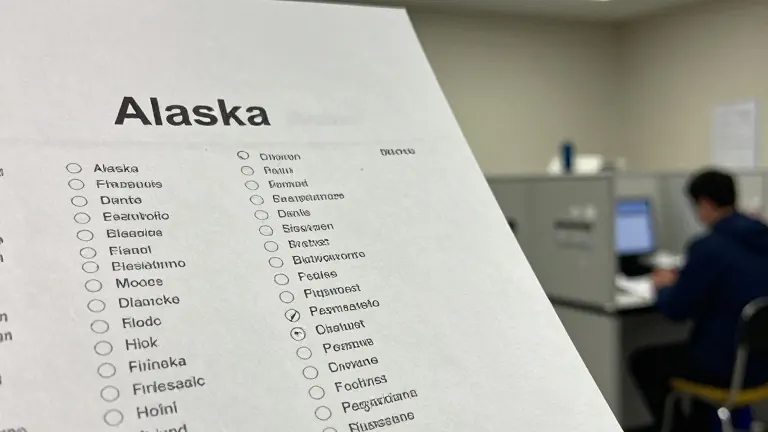
The New York Times reported that operatives linked to Democratic Senate candidate Mary Peltola and the Democratic Senatorial Campaign Committee attempted to recruit a second Dan Sullivan for the Alaska ballot. This disclosure arrived after nearly one in ten registered voters in the state had already cast their ballots. The timing leaves approximately 58,000 voters who likely made their selections without knowledge of the reported effort. Critics argue the move was designed to create confusion through a same-name candidate.
The alleged effort spanned coordination between the DSCC and Peltola staffers. The New York Times cited text messages, interviews, and internal documents to support the claim. A source interviewed by the newspaper stated that Peltola was aware of the recruitment drive. Both Peltola’s campaign and the DSCC have denied involvement in the strategy.
The second candidate, Dan J. Sullivan, qualified for the four-candidate general election earlier this year. He secured 2.5% of the primary vote. His campaign announcement did not list a party affiliation. His website does not state his position on any political issues. The campaign described the candidate as challenging the incumbent, urging Alaskans to elect a Sullivan who stands up for the state.
The Department of Justice filed a lawsuit last week seeking to delay certification if Sen. Dan Sullivan is defeated. The filing cited the possible confusion caused by the similar names. It remains unclear whether the DOJ will succeed on those grounds. The state’s ranked-choice voting system adds complexity to the election picture.
Under this system, voters rank their preferred candidates. If a top choice is eliminated, support passes to the next-ranked option. Supporters argue the process expands voter power and increases the influence of lower-ranked candidates. Critics believe it introduces confusion, particularly for voters who dislike the format.
Alaska state Sen. James Kaufman, a Republican, said he fears some voters will not rank both candidates with the same name. He noted that a segment of the population, particularly Republicans, disagrees with the implementation of ranked-choice voting. Kaufman said some voters hold a traditionalist perspective of one person, one vote. He added that ballot fatigue may cause some to skip ranking due to their disagreement with the system.
Less than a week remains before the Nov. 3 general election.
Source: Fox News