2,546 Men Show Small Link Between Protein Source and Testosterone
New data suggests animal protein may correlate with slightly lower hormone levels, though researchers caution that the effect is minor and non-causal.
By Jason Cooper ·
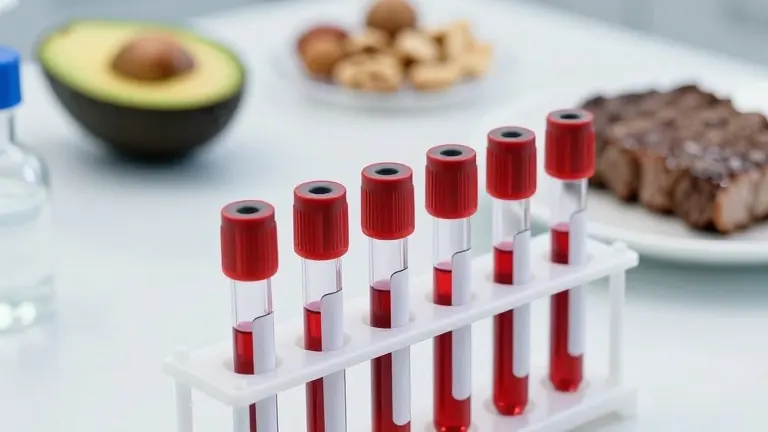
Researchers analyzing data from 2,546 middle-aged men found a slight association between the source of dietary protein and blood testosterone levels. The study, published in the International Journal of Food Sciences and Nutrition, indicates that higher intake of animal protein correlated with marginally lower total testosterone. Conversely, men who consumed more plant-based protein exhibited slightly higher testosterone levels compared to those with the lowest intake of that specific food group.
The data, drawn from four-day food records and blood samples collected between 1984 and 1989, reveals specific patterns by food type. Higher consumption of dairy protein was linked to lower total testosterone and lower levels of sex hormone-binding globulin, or SHBG. Plant protein from sources other than grains was associated with higher testosterone. Meat protein consumption was connected to lower SHBG but did not show a clear link to lower total testosterone.
The investigators adjusted their analysis for age, body mass index, and other health and lifestyle factors. They emphasized that the observed differences were small. Because the study is observational, the results do not prove that the source of protein causes changes in testosterone. The findings also do not determine specific health consequences of these shifts.
Nutritional context remains important for hormone regulation. Zinc, vitamin D, and magnesium show the strongest relationships with testosterone, particularly when individuals have deficiencies. Common food sources include oysters, fatty fish, leafy greens, and nuts. Adults typically require 8 to 12 milligrams of zinc per day, depending on age and sex. Experts note that supplementing these nutrients beyond necessary levels does not reliably increase testosterone if baseline levels are already adequate.
Lifestyle factors often outweigh the impact of protein alone. Sufficient sleep, avoidance of aggressive caloric deficits, regular exercise, and the inclusion of quality fats and carbohydrates are critical. A balanced diet with protein distributed across meals, such as 20 to 30 grams per serving, is generally more effective than pursuing extreme dietary figures. Quality fats from olive oil, avocados, and fish support hormonal health better than diets heavy in ultra-processed foods and refined sugars.
Individuals experiencing persistent fatigue, low libido, erectile dysfunction, or unexplained muscle loss should consult a physician for blood tests rather than adjusting protein intake alone. The next step for many is a medical evaluation to determine if symptoms stem from a hormonal imbalance or other underlying conditions.
Source: La Opinión